
News & Research




-

Stroke: Deadly but Preventable
A stroke is a life-threatening medical condition that occurs when a part of the brain doesn’t receive enough blood flow.Read more -

Melatonin: Shedding Light on the Hormone of Darkness
WHAT IS MELATONIN? Melatonin is a natural hormone released by the pineal gland in your brain. It’s the only recognised hormone made by the pineal gland and is secreted in response to darkness. It comes from serotonin, made from tryptophan through a series of enzymatic processes. Other areas in your body produce melatonin (extra-pineal ...Read more -
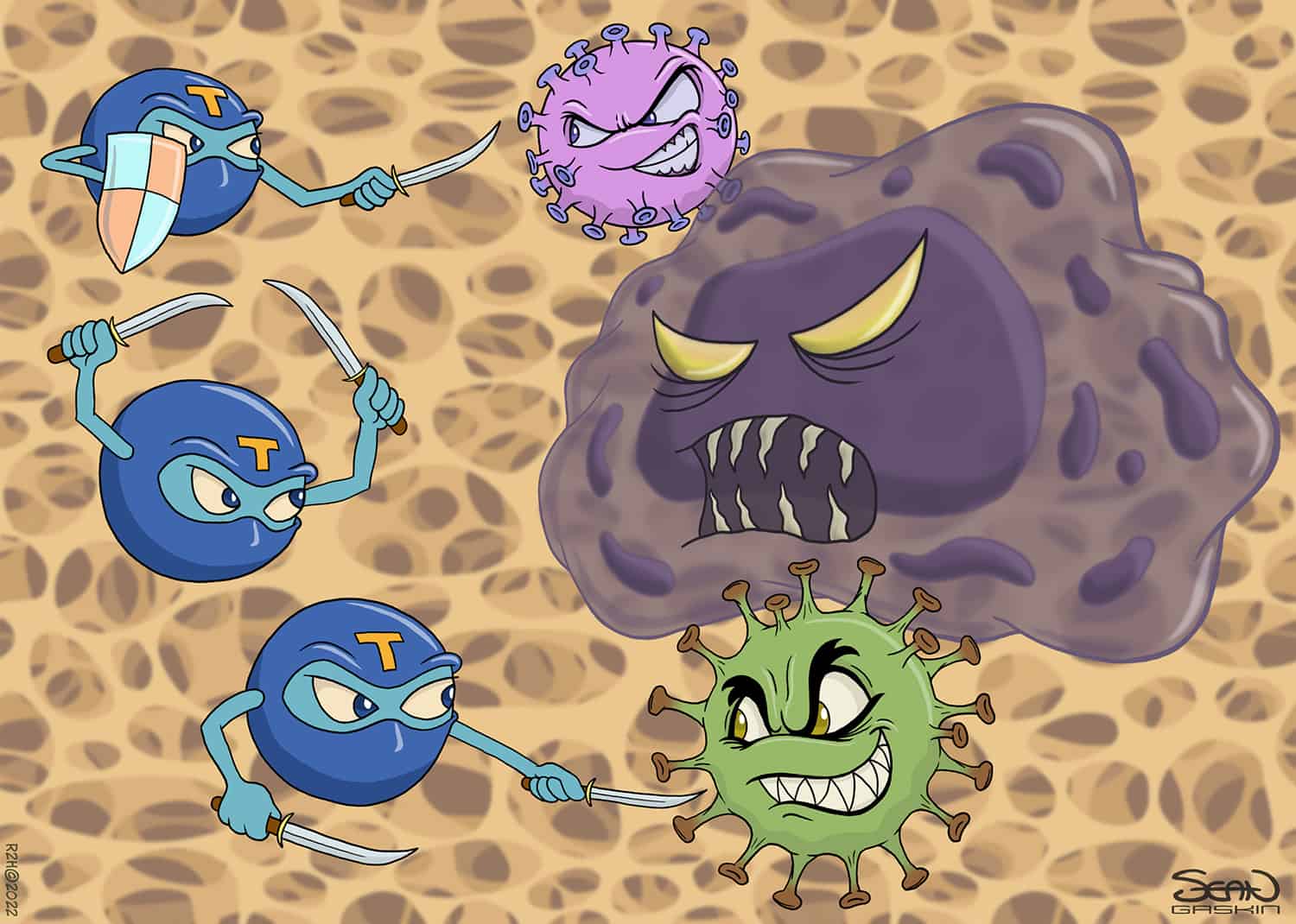
T-cells: Terminators of The Immune System
A T-cell is one of two particular types of lymphocytes (a kind of white blood cell) that determines the specificity of an immune response to antigens in the body.Read more -

Innate and Acquired Immune Systems
TAG TEAM ACTION AGAINST INFECTIONS AND HARMFUL SUBSTANCES WHAT'S THE IMMUNE SYSTEM? The immune system is an extensive network of internal organs, white blood cells (WBC), proteins (called antibodies), and chemicals. These structures and substances protect your body against foreign invaders like viruses, bacteria, fungi, and ...Read more -

Anhidrosis: Not being able to sweat is literally NOT COOL
What is the chemical formula for sweat? Relax, don’t sweat it. There’s no specific chemical formula for sweat, but it’s composed of several chemicals that do have formulas. Our body functions optimally if the temperature is around 37°C. If our bodies get hotter, the hypothalamus, the temperature centre in our brains, tells the rest of our ...Read more -

We ❤ Smartwatches and Fitness Trackers, Do You?
Smartwatches and other wearable health monitoring devices include electronic gadgets that people can wear and are designed to gather data regarding the user’s health, exercise, and training routines. In this article, we’ll also refer to them simply as wearables.Read more -

Catecholamines: Say Hello to Your Built-in Stress Responders
WHAT ARE CATECHOLAMINES? The adrenal glands are glands that sit on top of each kidney. They belong to the endocrine system, a highly specialised body system composed of glands that release hormones. Each adrenal gland has two distinct parts: the medulla (inner part) and the cortex (outer part), which have different functions. The adrenal ...Read more -

Parasympathetic vs Sympathetic Nervous System
Your nervous system is composed of two physically separate but functionally connected networks of nervous tissue, the central nervous system (brain and spinal cord) and the peripheral nervous system. Both networks perceive and respond to internal and external stimuli to preserve homeostasis (balance). The peripheral nervous system is ...Read more -
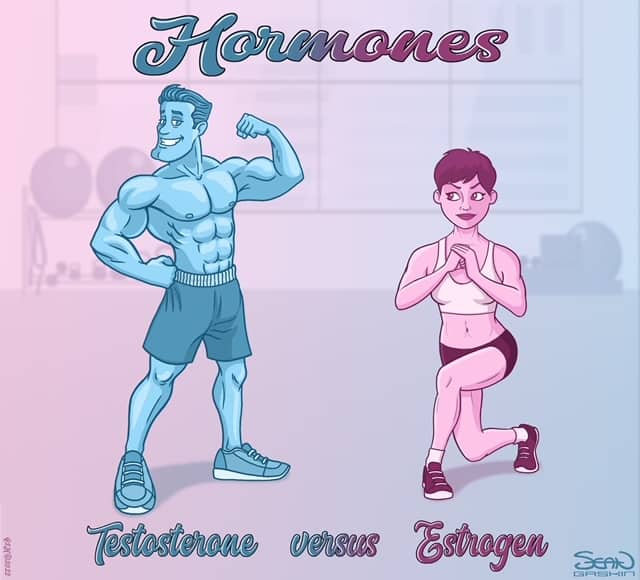
Homing in on Your Hormones
A hormone is an endogenous (produced inside the body) biochemical substance that acts as a messenger and exerts its effects on particular target cells. There are several hormones, and they vary based on their source, target tissues, chemical composition, and functions. However, they’re identified and characterised by the fact that they’re ...Read more -
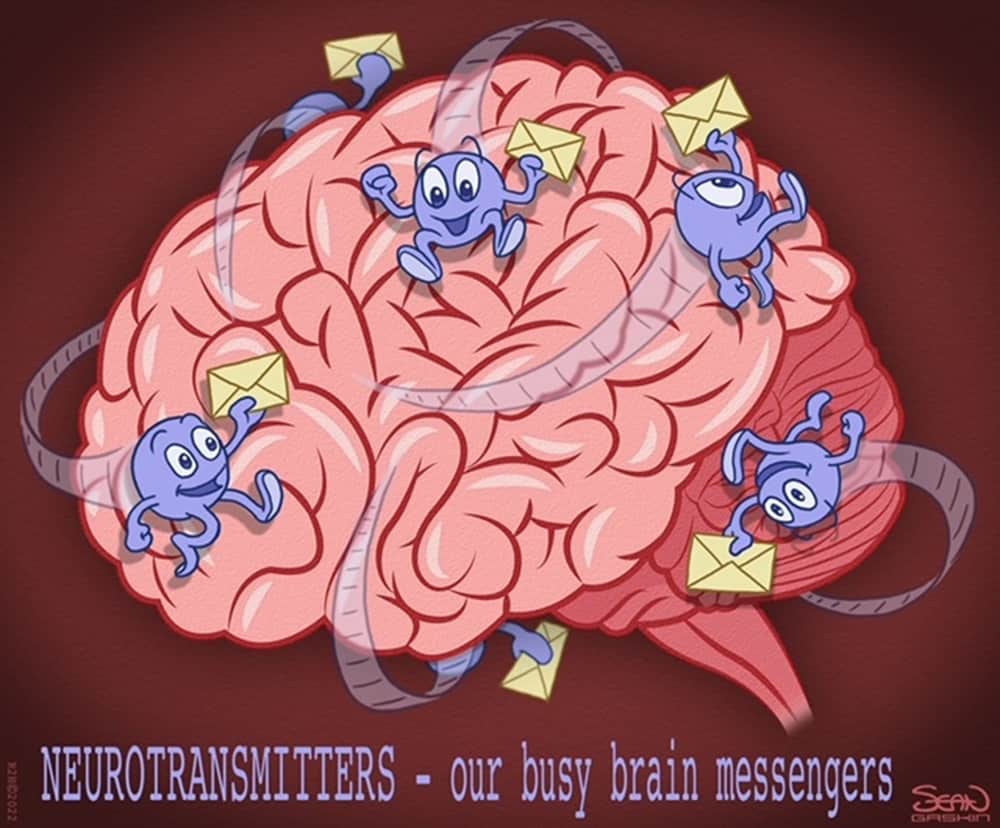
Neurotransmitters Part 1: Don’t Shoot the Messenger!
An Overview of Neurotransmitters What are Neurotransmitters? The human brain is the most complex structure in the body. It has around 80 billion neurons or nerve cells. That’s more than ten times as many neurons as there are people currently living on Earth. These people interact, whisper, make public ...Read more
This form is protected by reCAPTCHA - the Google Privacy Policy and Terms of Service apply.