
The Three Faces of Vitamin C: Ester-C, Liposomal Vitamin C and Ascorbic Acid




Three Popular Forms Compared. There is an ever expanding number of supplements available out there. Vitamin C is surely one of them. Before we start discussing the best form of vitamin C for you, let’s first focus on the benefits of this simple, but versatile vitamin.
 The Common Cold. When it comes to the common cold, vitamin C IS NOT a cure. Instead, numerous studies have validated its claims that it shortens the duration and lessens the severity of symptoms.
  You feel better faster and recover with a lot less complaints. Another great benefit you get from vitamin C is that you decrease your chances of developing complications like pneumonia.
Skin Aging. Vitamin C lessens the wrinkles on your skin as you age. The appearance of aging of your skin is improved and skin dryness is diminished.
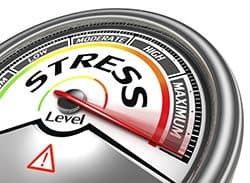
Stress. From a scale of 1 to 10, 10 being the highest, how stressed are you? Recent studies have confirmed that stressed individuals deplete their vitamin C levels faster than non-stressed individuals. Vitamin C levels could be an indicator of how stressed you are or how strong your immune system is.
You feel better faster and recover with a lot less complaints. Another great benefit you get from vitamin C is that you decrease your chances of developing complications like pneumonia.
Skin Aging. Vitamin C lessens the wrinkles on your skin as you age. The appearance of aging of your skin is improved and skin dryness is diminished.
Stress. From a scale of 1 to 10, 10 being the highest, how stressed are you? Recent studies have confirmed that stressed individuals deplete their vitamin C levels faster than non-stressed individuals. Vitamin C levels could be an indicator of how stressed you are or how strong your immune system is.
 People who are regularly under a lot of stress experience inflammation at the cellular level and increase their chances of acquiring cardiovascular diseases. An increased intake of vitamin C protects you from all of that. The reason behind this is because vitamin C is a potent antioxidant. It hunts down free radicals that cause damage to your cells.
Note: The benefits of vitamin C aren’t limited to the ones mentioned above. There are many many more, but since this article is about the forms of vitamin C we have only listed the top benefits.
People who are regularly under a lot of stress experience inflammation at the cellular level and increase their chances of acquiring cardiovascular diseases. An increased intake of vitamin C protects you from all of that. The reason behind this is because vitamin C is a potent antioxidant. It hunts down free radicals that cause damage to your cells.
Note: The benefits of vitamin C aren’t limited to the ones mentioned above. There are many many more, but since this article is about the forms of vitamin C we have only listed the top benefits.
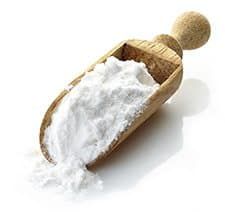 Ascorbic acid, more commonly known as vitamin C comes as powder or tablets. We humans, can’t make our own vitamin C so it has to come from our diet. The upper limit of oral intake for ascorbic acid is 2 grams or 2,000 milligrams per day as recommended by the Linus Pauling Institute. Anything greater than that could mean diarrhoea or gastric discomfort (irritation) for the user. Some sensitive individuals may even experience this with lower doses of ascorbic acid.
More and more research is now suggesting that increased doses of oral vitamin C could mean more health benefits. This is why other forms like Ester-C and Liposomal Vitamin C are popular.
Ascorbic acid, more commonly known as vitamin C comes as powder or tablets. We humans, can’t make our own vitamin C so it has to come from our diet. The upper limit of oral intake for ascorbic acid is 2 grams or 2,000 milligrams per day as recommended by the Linus Pauling Institute. Anything greater than that could mean diarrhoea or gastric discomfort (irritation) for the user. Some sensitive individuals may even experience this with lower doses of ascorbic acid.
More and more research is now suggesting that increased doses of oral vitamin C could mean more health benefits. This is why other forms like Ester-C and Liposomal Vitamin C are popular.
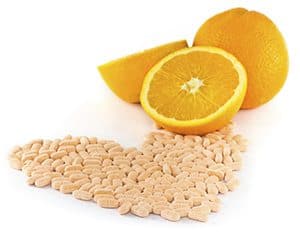
 Putting vitamin C inside liposomes enables better absorption and entry into your cells. Liposomes are sacs made up of lipids (fats) enclosing a water droplet. Vitamin C is water soluble so it dissolves well in the water droplet. It easily passes through the cell membrane because it’s now enclosed by lipids (fats). To sum it up, liposomal vitamin C offers better bioavailability of vitamin C at the cellular level.
According to Dr Ronald Hunninghake, a famous and world renowned doctor who has supervised more than 60,000 intravenous administrations of vitamin C, liposomal vitamin C has important roles in the fight against cancer and many infectious diseases.
Putting vitamin C inside liposomes enables better absorption and entry into your cells. Liposomes are sacs made up of lipids (fats) enclosing a water droplet. Vitamin C is water soluble so it dissolves well in the water droplet. It easily passes through the cell membrane because it’s now enclosed by lipids (fats). To sum it up, liposomal vitamin C offers better bioavailability of vitamin C at the cellular level.
According to Dr Ronald Hunninghake, a famous and world renowned doctor who has supervised more than 60,000 intravenous administrations of vitamin C, liposomal vitamin C has important roles in the fight against cancer and many infectious diseases.
Let’s meet the three forms of vitamin C up close and personal...
There is an ever expanding number of supplements available out there. Vitamin C is surely one of them. Before we start discussing the best form of vitamin C for you, let’s first focus on the benefits of this simple, but versatile vitamin.
Well Known Benefits of Vitamin C
The Common Cold. When it comes to the common cold, vitamin C IS NOT a cure. Instead, numerous studies have validated its claims that it shortens the duration and lessens the severity of symptoms. You feel better faster and recover with a lot less complaints. Another great benefit you get from vitamin C is that you decrease your chances of developing complications like pneumonia.
Skin Aging. Vitamin C lessens the wrinkles on your skin as you age. The appearance of aging of your skin is improved and skin dryness is diminished.
Stress. From a scale of 1 to 10, 10 being the highest, how stressed are you? Recent studies have confirmed that stressed individuals deplete their vitamin C levels faster than non-stressed individuals. Vitamin C levels could be an indicator of how stressed you are or how strong your immune system is.
People who are regularly under a lot of stress experience inflammation at the cellular level and increase their chances of acquiring cardiovascular diseases. An increased intake of vitamin C protects you from all of that. The reason behind this is because vitamin C is a potent antioxidant. It hunts down free radicals that cause damage to your cells.
Note: The benefits of vitamin C aren’t limited to the ones mentioned above. There are many many more, but since this article is about the forms of vitamin C we have only listed the top benefits.
The Right Form of Vitamin C for You
Which of the three popular forms of vitamin C is right for you? Which one is better for certain conditions? Let’s try to find out.Ascorbic Acid
Ascorbic acid, more commonly known as vitamin C comes as powder or tablets. We humans, can’t make our own vitamin C so it has to come from our diet. The upper limit of oral intake for ascorbic acid is 2 grams or 2,000 milligrams per day as recommended by the Linus Pauling Institute. Anything greater than that could mean diarrhoea or gastric discomfort (irritation) for the user. Some sensitive individuals may even experience this with lower doses of ascorbic acid.
More and more research is now suggesting that increased doses of oral vitamin C could mean more health benefits. This is why other forms like Ester-C and Liposomal Vitamin C are popular.
Ester-C
Ester-C is a form of vitamin C that contains calcium ascorbate (as the main ingredient) bound to naturally occurring metabolites of vitamin C. The term metabolite means the products or intermediates of, in our case, vitamin C metabolism. These metabolites include calcium threonate, dehydroascorbic acid (oxidised ascorbic acid) and trace amounts of xylonate and lyxonate. The manufacturers of Ester-C state that these metabolites activate the molecules of vitamin C to improve its absorption and retention in the body. They claim that this form of vitamin C offers better immune support by staying inside your white blood cells longer (around 24 hours). This gives your immune system around the clock support. While pure ascorbic acid may cause stomach irritation or discomfort, Ester-C is both stomach-friendly and non-acidic. It’s stomach friendly feature gives those who have trouble tolerating vitamin C a gentler option. So, if you have gastritis (painful inflammation of your stomach lining) or your stomach gets easily irritated when you take vitamin C, Ester-C may be the form of vitamin C for you.Liposomal Vitamin C
The liposome-encapsulated vitamin C is now commercially available on the market. This form of vitamin C boasts that its blood levels could match levels of vitamin C given intravenously (through your vein). Oral intake matches intravenous route? Pretty amazing huh?
Putting vitamin C inside liposomes enables better absorption and entry into your cells. Liposomes are sacs made up of lipids (fats) enclosing a water droplet. Vitamin C is water soluble so it dissolves well in the water droplet. It easily passes through the cell membrane because it’s now enclosed by lipids (fats). To sum it up, liposomal vitamin C offers better bioavailability of vitamin C at the cellular level.
According to Dr Ronald Hunninghake, a famous and world renowned doctor who has supervised more than 60,000 intravenous administrations of vitamin C, liposomal vitamin C has important roles in the fight against cancer and many infectious diseases.
Related Links


References
- Ross, A C. Modern Nutrition in Health and Disease. Philadelphia: Wolters Kluwer Health/Lippincott Williams & Wilkins, 2014. Print.
- Baynes, John, and Marek H. Dominiczak. Medical Biochemistry. Philadelphia: Saunders, 2014. Print.
- https://lpi.oregonstate.edu/mic/vitamins/vitamin-C/supplemental-forms
- https://lpi.oregonstate.edu/sites/lpi.oregonstate.edu/files/pdf/newsletters/ss2014.pdf#page=8
- https://link.springer.com/article/10.1007%2Fs12325-008-0106-y#page-1
- https://link.springer.com/article/10.1007%2FBF02850358#page-1
- https://www.ncbi.nlm.nih.gov/pubmed/18836692
- https://www.andjrnl.org/article/0002-8223(94)91950-X/abstract
- http://www.vitaminc.co.nz/pdf/LIPOSOMAL-ENCAPSULATION-ROBERT-D.-MILNE-MD.pdf
- https://articles.mercola.com/sites/articles/archive/2010/11/20/ronald-hunninghake-on-vitamin-c.aspx
×
![Image Modal]()
This content will be overwritten when the modal opens
This form is protected by reCAPTCHA - the Google Privacy Policy and Terms of Service apply.