It’s a bit odd. Whenever I read or hear the word carnivore
[Click on the image to Enlarge]
It’s a bit odd. Whenever I read or hear the word carnivore, a vivid picture of a hungry Tyrannosaurus rex (a purely meat-eating dinosaur) comes into my mind. Anyway, if you’ve been browsing on Facebook and other social media platforms, you might have come across the latest fad in dieting, the carnivore diet.
What is the carnivore diet? How is it different from Paleo and ketogenic diets?
Let’s kick off with the other well-known diets first. A Paleo diet is eating foods that were available to hunter-gatherers. The advocates of this type of diet believe whole foods will give them optimal health. These whole foods include unprocessed plants and animals like vegetables, fruits, seeds, nuts, eggs, fish, and meat. They remove legumes, grains, dairy products, and processed foods from their diet. This type of diet also extends into their lifestyle, the environment, and exercise.
A ketogenic diet focuses on carbohydrate restriction so your body uses fat as fuel leading to weight loss. It’s a high fat, low carb diet. The fats are broken down by your liver into ketones. Your body then uses ketones for energy instead of glucose. A ketogenic diet is best suited for maintenance of weight, weight loss, and improved performance in sports. It’s also used to treat epilepsy, especially in those who are resistant to epilepsy medication. Foods commonly found in a typical ketogenic diet include seafood, meat, poultry, eggs, low carb vegetables, coconut oil, nuts and seeds, full fat dairy products, and dark chocolate.
The carnivore diet has evolved from the Paleolithic and ketogenic diets, both of which are in favour of fat and protein. The carnivore diet is amazingly simple. You just consume meat, animal fat and water. That’s about it. Specifically, the carnivore diet is based on a menu of:
Beef, pork, chicken, and fish. These are for the hardcore believers of this type of diet.
Other people who loosely follow this diet may also include eggs, butter, cheese, and bone broth.
As you can see, there’s much overlap between the three diets listed here. One downside highlighted by some health experts is that there’s too much restriction of food in the carnivore diet compared to the other two. In contrast, both the Paleolithic and ketogenic diets have a variety of food groups to choose from. In increasing order of restrictions, the three diets are listed as follows: Paleolithic, ketogenic, and carnivore diet. Among the three, the carnivore diet has the least amount of scientific evidence backing up its claims.
Rationale for the Carnivore Diet
The nutrients found in meat are readily bioavailable. They require almost no change in structure for them to be absorbed and then utilised by your body. In contrast, the nutrients you get from plants usually require your body to process and change them into a structure which you can utilise and if possible absorb. A good example would be animal proteins. Sources of animal protein like poultry, meat, and fish are similar in structure to the proteins found in your body.
Furthermore, animal proteins are complete sources of protein because they contain all of the essential amino acids. While plant proteins found in legumes, nuts and grains are missing one or more of the essential amino acids.
In general, meat contains more vitamin B12, the omega-3 fatty acid DHA, vitamin D, zinc and iron compared to plants.
Meat from animals in their natural form and structure don’t usually contain toxins. This is in contrast to plants. Some plants produce toxins (such as lectins) to evade being eaten by their predators for example.
On a global scale, the incidence of plant food allergies is greater in numbers compared to the incidence of meat allergy. An estimated number of people with meat allergy isn’t available yet because it’s that uncommon, making reporting of medical cases difficult. Worldwide, it’s estimated that 1 in 100 adults and 1 in 10 children have a plant food allergy.
Proposed Health Benefits of a Carnivore Diet
It’s interesting to mention here that a group of medical professionals prescribe the carnivore diet to their patients. Paleomedicina are based in Budapest, Hungary. They use a more sophisticated term for the carnivore diet which is the Paleolithic Ketogenic Diet or PKD for short. They even formulated what they call the Therapeutic Protocol of Paleomedicina Hungary back in 2010 to 2011. PKD is based on clinical evidence and years of clinical experience from treating 4,000 patients. They believe that PKD is the only diet suited for humans.
They believe the following:
Plant foods are only relatively safe. They should be consumed only in very limited amounts.
The management of chronic diseases can be addressed by limiting your diet based solely on your physiological needs which does not include fruits and vegetables.
Animal foods including red meat and a variety of other meats (such as offal) should preferably come from pasture raised animals.
The meats should not include any additives such as nitrates and nitrites.
The fat to protein ratio should be 2:1.
No black or herbal teas or artificial sweeteners are allowed. The exception is honey in small quantities.
They characterise PKD as 70-100% animal-based food, 0-30% plant-based food. Though they prefer 100% animal-based.
They have not seen any vitamin or mineral deficiencies from this diet in the 7 years they’ve been following up with their patients.
The diet is safe for pregnancy and breastfeeding as well as for weaning infants onto the PKD.
We are all humans so we should eat the same diet.
According to the Paleomedicina group of practitioners, the following are some of the benefits of PKD
The PKD can sustain normal blood glucose levels among people with diabetes. This was demonstrated in a study on several people who tried out the PKD. The PKD way of eating results in a lot of ketones (not glucose) for energy, so you don’t need much insulin especially if you have diabetes. This helps to delay or prevent the use of insulin among patients with diabetes mellitus.
Hypertension and obesity are two additional chronic conditions that have been safely treated with PKD according to published case reports. The researchers believe that is was inflammation resulting from the ingestion of too many carbohydrates that was responsible for increasing blood pressure and causing weight gain. A shift to PKD over a period of several months decreased the blood pressure and weight among susceptible individuals according to the reports.
Crohn's disease and ulcerative colitis are lifelong diseases with no exact cure. You can only suppress their symptoms which are usually diarrhoea and abdominal pain. There are some case reports wherein people who transitioned into the PKD reduced the severity and frequency of their symptoms. The exact reason as to why this happens remains to be demonstrated by researchers.
Childhood epilepsy is another disease apparently successfully treated with PKD. It was observed that the child had freedom from seizure episodes, better mood, and improved behaviour.
Certain types of cancer like glioblastoma multiforme (an aggressive type of brain cancer), colorectal cancer, and oral cancers have responded well to PKD in a handful of case reports. These reports have not been verified by clinical trials.
With respect to overall health, followers of the carnivore diet say that they feel healthier, think clearer, have fewer digestive problems, and also lost weight. The carnivore diet has made eating simple and practical for them.
Medical Concerns Regarding a Carnivore Diet
There still has not been any randomised control trials on the precise and reproducible benefits of an all meat diet. All of the benefits mentioned above were based on anecdotal evidence. That’s all we have for now.
In the entire history of mankind, there have been no exact records of people or tribes around the world that have embraced a purely meat diet.
The carnivore diet is an extreme diet plan concentrating only on meat, animal fat and water. Which from a regular medical point of view, may not be suitable for people with chronic conditions such as metabolic syndrome, diabetes mellitus type 2, and hypertension.
One concern with a diet consisting only of meat is that your body may not be getting enough vitamin C, folate, vitamin E, and fibre for optimal health. Additionally, it was always thought that a lack of dietary fibre contributes to the development of colon cancer.
Some believe that the psychological toll of eating only meat will have its negative effects in the long run and that the best diet is always a balance of nutrients.
Since there hasn’t yet been any reliable research conducted on the carnivore diet, the health benefits of such a diet can’t be substantiated and at this stage remain successful in only a handful of cases.
Let’s not forget about the question in the title which might have caught your attention. Can you survive on an all meat diet? Yes, if survival is the question. When it comes to the quality of life and the effect on your health, in the long run, it remains to be seen. For now, there are no long-term clinical trials that have documented the exact positive benefits of an all meat diet. So, before you turn into a T-rex (start a carnivore diet), discuss it with your healthcare practitioner.







 [Click on the image to Enlarge]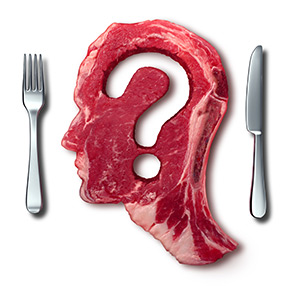



 [Click on the image to Enlarge]
 In general, meat contains more vitamin B12, the omega-3 fatty acid DHA, vitamin D, zinc and iron compared to plants.
 Animal foods including red meat and a variety of other meats (such as offal) should preferably come from pasture raised animals.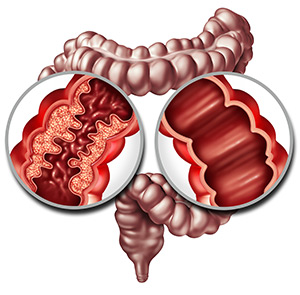
 One concern with a diet consisting only of meat is that your body may not be getting enough vitamin C, folate, vitamin E, and fibre for optimal health. Additionally, it was always thought that a lack of dietary fibre contributes to the development of colon cancer.






This form is protected by reCAPTCHA - the Google Privacy Policy and Terms of Service apply.