



Your Wearable is Talking: Are You Listening?
Most of us use our smartwatches to track steps, but the true goldmine for long-term health lies deeper. Modern devices now offer a window into your Autonomic Nervous System, helping you decide when to push forward and when to prioritise a "quiet day."
3 Metrics That Actually Matter
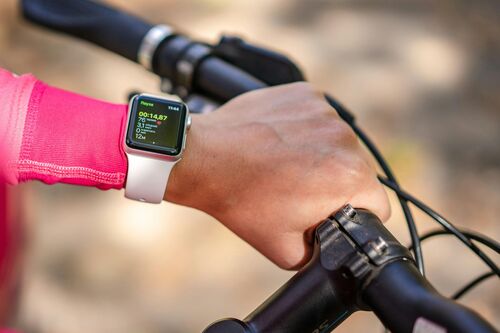
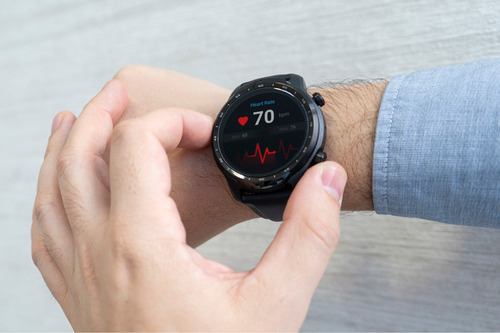
To move beyond basic step-counting, focus on these three "Pro" indicators:
- Heart Rate Variability (HRV): This measures the microscopic timing between heartbeats. A higher HRV may indicate your nervous system is resilient and *"vagal tone" is high. A sudden drop is often a "red flag" that stress or a seasonal bug is on the way.
- Resting Heart Rate (RHR): Think of this as your body’s "idle speed." If your RHR is 5–10 beats higher than your personal baseline, your heart is working overtime to manage inflammation, stress or lack of restorative sleep.
- Sleep Scores: It isn't just about "duration." Look at your Deep and REM sleep cycles. It’s during these cycles that your brain’s "glymphatic system" clears out metabolic waste, and your muscles repair.
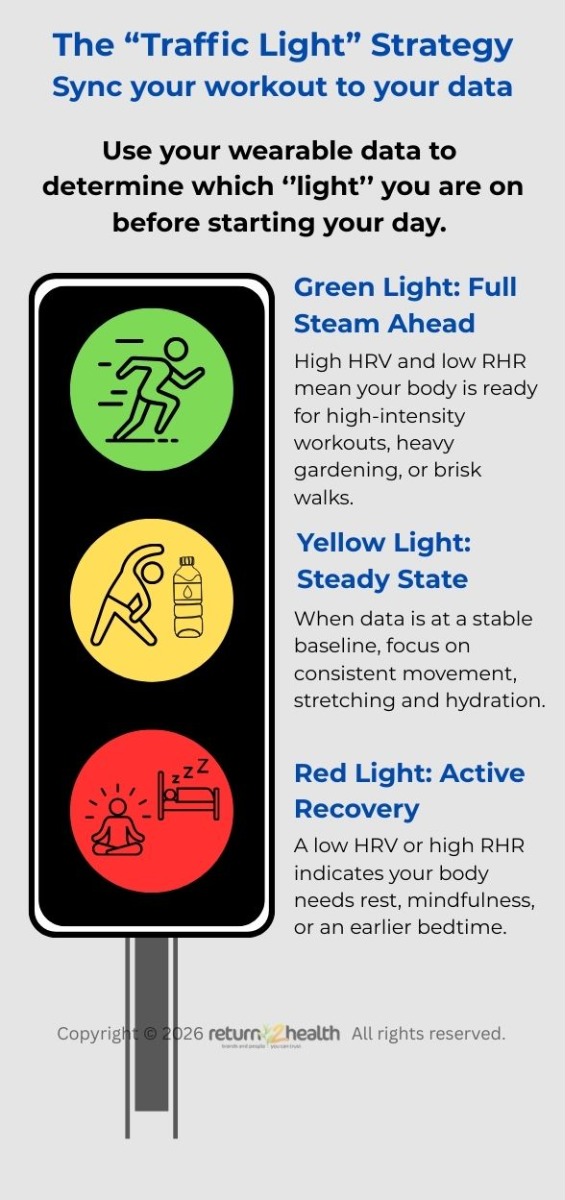
The "Traffic Light" Strategy
Use your data to guide your intensity, instead of forcing a workout just because it’s "gym day".
| Status | Data Signal | Recommended Action |
|---|---|---|
| Green | High HRV / Low RHR | Full Steam Ahead: Go for that brisk hike planned with a friend, do the heavy gardening session, or the challenging workout. |
| Yellow | Stable / Baseline | Steady State: You’re doing okay, but don't overdo it. Focus on consistent movement, stretching, and hydration. |
| Red | Low HRV / High RHR | Active Recovery: Your body needs some rest. Opt for 10 minutes of mindfulness or an earlier bedtime. |
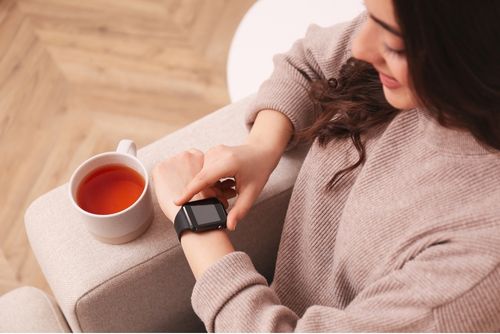
Wellness Wisdom: Your device is a tool, it’s not the boss. If your watch says "Red" but you’re feeling great—or you’re feeling exhausted, and the watch says ‘’Green’’—listen to your intuition first. Data should empower your choices, never dictate your mood.
*Vagal Tone: Vagal tone is a measure of parasympathetic nervous system function, indicating how well your body can rest, digest, and restore balance after stress.
This form is protected by reCAPTCHA - the Google Privacy Policy and Terms of Service apply.