
Muscles You May Have Taken for Granted





Underrated and abused, but still "full of juice"
[Click on the image to Enlarge]
Your muscles may not have feelings of their own but imagine how you would feel if someone significant in your life constantly underrated and took you for granted. How would you feel? We hope you never get to experience that. The muscles mentioned here may have been taken for granted because they work in the background. You probably don’t notice them until they get sick or are injured.
Before we proceed, it’s essential to note that there are three types of muscles in your body: smooth, cardiac, and skeletal muscles. Smooth muscles can’t be controlled consciously (involuntary) and are found lining the inside of blood vessels and internal organs. Cardiac muscles are also involuntary muscles and are only located in your heart. Skeletal muscles are muscles that you can control and are attached to bones. Contraction of skeletal muscles will cause movement in those bones.
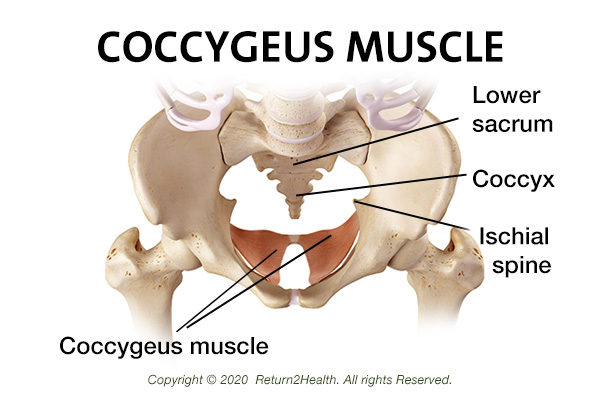
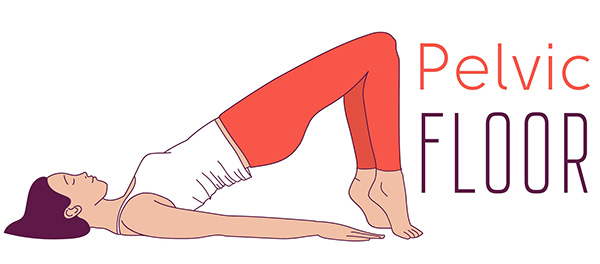
Pelvic floor muscles. They make up the base of the pelvic cavity, which is sometimes referred to as the pelvic diaphragm. The muscles form a funnel-shaped structure that separates your pelvic cavity from your perineum where your anus and genitalia are located. The pelvic floor muscles are comprised of the following groups of muscles:
These groups of muscles have vital roles to play in the proper functioning of internal organs found in the abdominal and pelvic cavities. They provide structural support for these internal organs (uterus, intestines, bladder, etc.) through muscular contraction. They also resist increases in abdominal and pelvic pressure when you lift heavy objects, bend over, exercise, have sex, sneeze or cough.
If any of these muscles suffer an injury or get damaged, dysfunction of supported internal organs may follow. A good example would be urinary stress incontinence. Weak pelvic diaphragm muscles apply pressure on your bladder and urethra, forcing them to work harder and lead to stress incontinence. It’s most noticeable during sneezing, coughing, and lifting heavy objects. These activities cause you to leak urine if you have weak pelvic floor muscles. You should see a doctor if the symptoms interfere with your everyday activities. Please be aware that there are other contributing factors that aggravate stress incontinence like obesity, smoking (that ultimately leads to a lot of coughing), diseases that cause chronic coughing, and engaging in high-impact activities for several years.
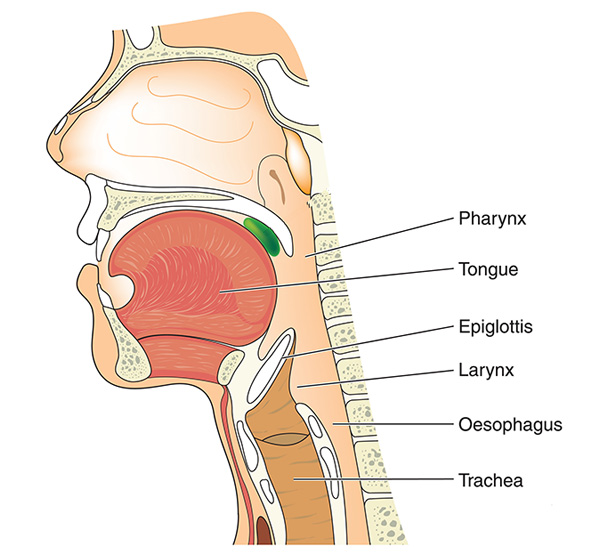
Voice muscles (laryngeal muscles). Your voice box (larynx) is an organ found in the front portion of your neck, sitting above your thyroid gland. It’s part of your respiratory tract and has several vital functions like protection of your lower respiratory tract (lungs), speech, and the cough reflex.
Your laryngeal muscles can be divided into two groups: the internal (intrinsic) and external (extrinsic) muscles. The function of the internal muscles is to move the different parts of the voice box, which is essential in phonation (production of speech sounds) and breathing. On the other hand, the external muscles act to depress or elevate your voice box during swallowing.
Jaw muscles (Muscles of Mastication). These muscles move your jaw in a complex three-dimensional way. Three muscles close your jaw (masseter, medial pterygoid, and temporalis) and two muscles open it (digastric and lateral pterygoid). Most of these muscles originate from parts of your skull and insert at your mandible (jaw).
Temporomandibular joint disorders or TMD for short can cause mild to severe pain, joint noises, and abnormal jaw movements. Tight jaw muscles can contribute to the pain. They’re quite common and problematic. The temporomandibular joint is the joint that connects your skull to your jaw and is located in front of each ear. These joints are crucial because they permit movements that are required for facial expression, eating, and speaking.
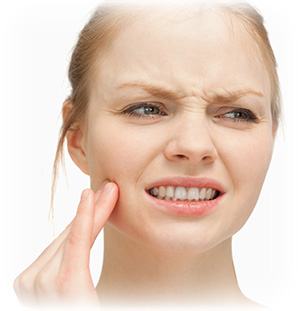 There are several causes of TMD like rheumatoid arthritis, gout, fibromyalgia, osteoarthritis, dental issues, teeth grinding and jaw clenching or injury. At times, the exact cause may not be determined. You’ll be amazed that up to 70 percent of the general population experience at least one symptom of TMD and only one in four people with symptoms report it or are even aware of it.
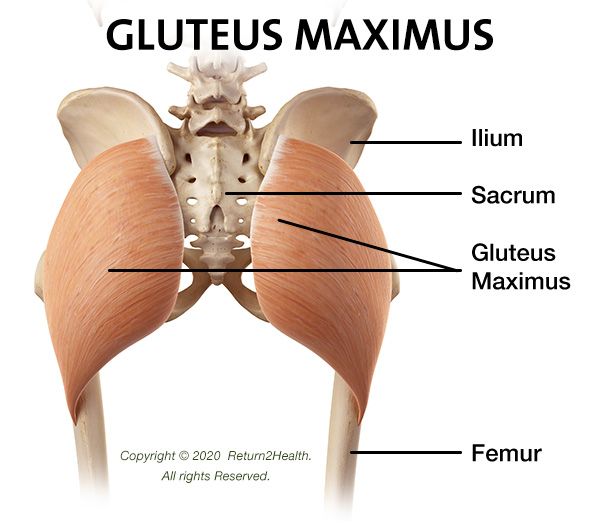
The gluteus maximus muscles are also among the top contenders for the strongest muscles in the human body. Of course, muscle strength can be measured in various ways, so there’s no clear winner as to which ones are the strongest.
The gluteus maximus forms a blanket over most of the two other gluteal muscles (gluteus medius and gluteus minimus). It originates from different parts of your pelvis midline to insert into the femur.
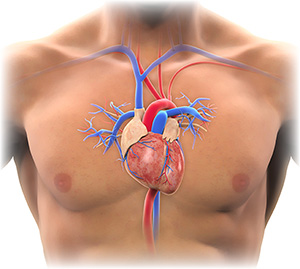
Heart. Do you need an introduction to your heart? Probably not. Your heart is actually an organ made up of mostly muscle, a specialised type of muscle called cardiac muscle. It’s found a little to the left of the middle of your chest. It’s approximately the size of your fist and is the hardest working muscle in your body, contracting and relaxing 24/7. Its primary function is to pump blood throughout your body.
 Remember, cardiovascular diseases are the world’s number one killer. On a global scale, it causes one in every three deaths.
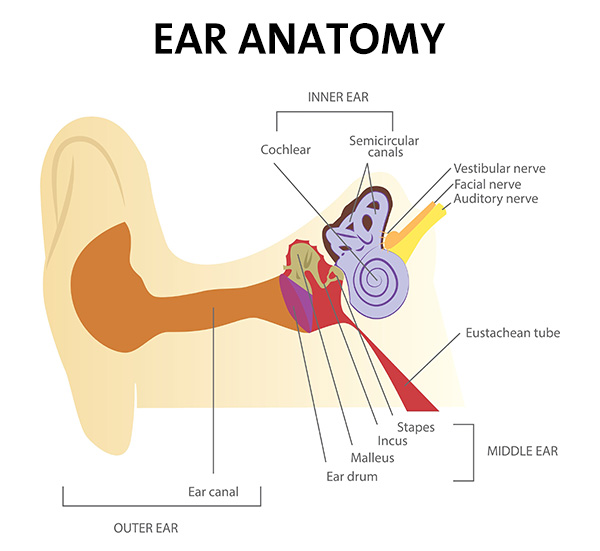
Middle ear muscles. There are two muscles found in your middle ear. They’re the stapedius and tensor tympani muscles. They protect your ears from loud noises by contracting and preventing the vibrations of the bones in your middle ear (malleus, incus, and stapes). The stapedius muscle attaches itself to the stapes or stirrups. It’s recognised as the smallest skeletal muscle in the human body, measuring only 1 mm in length. It’s more of an exception with respect to being a skeletal muscle. You can’t consciously control its contraction.
Taken for granted no more, that’s how these muscles should now be. Imagine if one of these muscles or muscle groups didn’t function as intended. Your quality of life would undoubtedly be affected. Follow the tips presented, and you’re off to a great start.
We have another article on little known muscles you may want to take a look at. The Unsung Heroes of Muscular Contraction – Muscles you may not have heard of
Underrated and abused, but still full of juice
[Click on the image to Enlarge]
Your muscles may not have feelings of their own but imagine how you would feel if someone significant in your life constantly underrated and took you for granted. How would you feel? We hope you never get to experience that. The muscles mentioned here may have been taken for granted because they work in the background. You probably don’t notice them until they get sick or are injured.
Before we proceed, it’s essential to note that there are three types of muscles in your body: smooth, cardiac, and skeletal muscles. Smooth muscles can’t be controlled consciously (involuntary) and are found lining the inside of blood vessels and internal organs. Cardiac muscles are also involuntary muscles and are only located in your heart. Skeletal muscles are muscles that you can control and are attached to bones. Contraction of skeletal muscles will cause movement in those bones.
Muscles You May Have Taken for Granted
Pelvic floor muscles. They make up the base of the pelvic cavity, which is sometimes referred to as the pelvic diaphragm. The muscles form a funnel-shaped structure that separates your pelvic cavity from your perineum where your anus and genitalia are located. The pelvic floor muscles are comprised of the following groups of muscles:
- Levator ani muscles. This muscle group is made up of three closely related and paired muscles; iliococcygeus, puborectalis, and pubococcygeus. All three of them attach to your pelvis.
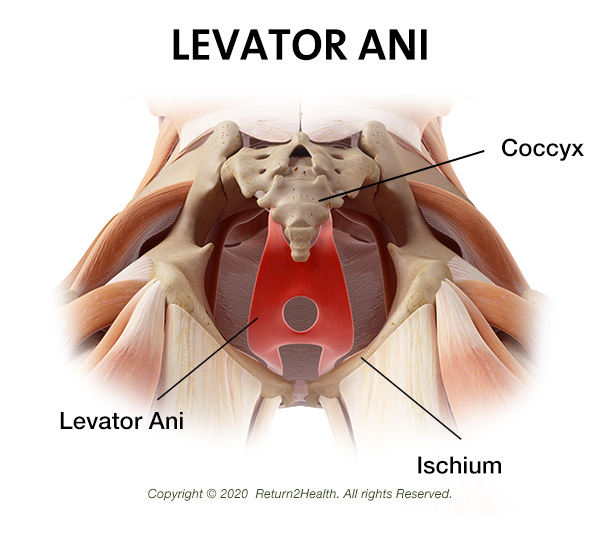
- Coccygeus muscle. This muscle is found more posteriorly and originates from the ischial spine and inserts into your sacrum and coccyx (tailbone).
These groups of muscles have vital roles to play in the proper functioning of internal organs found in the abdominal and pelvic cavities. They provide structural support for these internal organs (uterus, intestines, bladder, etc.) through muscular contraction. They also resist increases in abdominal and pelvic pressure when you lift heavy objects, bend over, exercise, have sex, sneeze or cough.
If any of these muscles suffer an injury or get damaged, dysfunction of supported internal organs may follow. A good example would be urinary stress incontinence. Weak pelvic diaphragm muscles apply pressure on your bladder and urethra, forcing them to work harder and lead to stress incontinence. It’s most noticeable during sneezing, coughing, and lifting heavy objects. These activities cause you to leak urine if you have weak pelvic floor muscles. You should see a doctor if the symptoms interfere with your everyday activities. Please be aware that there are other contributing factors that aggravate stress incontinence like obesity, smoking (that ultimately leads to a lot of coughing), diseases that cause chronic coughing, and engaging in high-impact activities for several years.
Taking care of your pelvic floor muscles includes lifestyle adjustments and stress management:
- To strengthen them, you should do pelvic floor or Kegel exercises daily.
- Stop smoking.
- Don’t watch an entire movie while on the loo for number twos. Also, try not to push or strain too much while moving your bowels. Adding some fibre to your diet and staying hydrated will also help.
- Decrease your intake of sugar, alcohol, and caffeine.
- Stick to your ideal body weight.
- Stay away from lifting heavy objects.
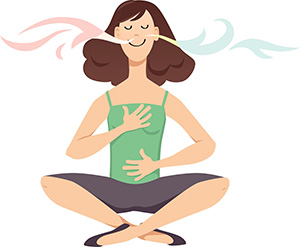
- Do some breathing exercises and meditation techniques to loosen tight pelvic floor muscles.
Voice muscles (laryngeal muscles). Your voice box (larynx) is an organ found in the front portion of your neck, sitting above your thyroid gland. It’s part of your respiratory tract and has several vital functions like protection of your lower respiratory tract (lungs), speech, and the cough reflex.
Your laryngeal muscles can be divided into two groups: the internal (intrinsic) and external (extrinsic) muscles. The function of the internal muscles is to move the different parts of the voice box, which is essential in phonation (production of speech sounds) and breathing. On the other hand, the external muscles act to depress or elevate your voice box during swallowing.
-
External (extrinsic) muscles are made up of a suprahyoid group of muscles, infrahyoid group of muscles, and the stylopharyngeus.
- Internal (intrinsic) laryngeal muscles act on the different parts of the larynx. They control the shape of the opening between your vocal cords. They include the cricothyroid, thyroarytenoid, and cricoarytenoids. All of them originate and attach to areas around your voice box.
Tips for how to take care of your laryngeal muscles:
- Stop talking when your voice is tired or already hoarse. Avoid screaming and too much whispering, which are the extremes of your vocal range. You can also use a microphone to address a big audience instead of straining your voice.
 Do you cradle your phone between your head and shoulder while talking? Just look at the angle your neck is at. That puts an enormous amount of muscle tension in your neck, including your laryngeal muscles. In this day and age, there are numerous devices to assist you like wireless headsets or in-ear earbuds.
 - Practice breathing exercises.
Jaw muscles (Muscles of Mastication). These muscles move your jaw in a complex three-dimensional way. Three muscles close your jaw (masseter, medial pterygoid, and temporalis) and two muscles open it (digastric and lateral pterygoid). Most of these muscles originate from parts of your skull and insert at your mandible (jaw).
Temporomandibular joint disorders or TMD for short can cause mild to severe pain, joint noises, and abnormal jaw movements. Tight jaw muscles can contribute to the pain. They’re quite common and problematic. The temporomandibular joint is the joint that connects your skull to your jaw and is located in front of each ear. These joints are crucial because they permit movements that are required for facial expression, eating, and speaking.
There are several causes of TMD like rheumatoid arthritis, gout, fibromyalgia, osteoarthritis, dental issues, teeth grinding and jaw clenching or injury. At times, the exact cause may not be determined. You’ll be amazed that up to 70 percent of the general population experience at least one symptom of TMD and only one in four people with symptoms report it or are even aware of it. Tips for how you can take good care of your jaw and avoid developing TMD:
- Cutting or chopping up your food into bite-sized pieces.
- Being careful when you yawn and open your mouth.
- Stay away from chewing gum.
- Learn to relax, meditate, and do some breathing techniques to relieve stress. Teeth grinders and jaw clenchers are often stressed out.
The gluteus maximus muscles are also among the top contenders for the strongest muscles in the human body. Of course, muscle strength can be measured in various ways, so there’s no clear winner as to which ones are the strongest.
The gluteus maximus forms a blanket over most of the two other gluteal muscles (gluteus medius and gluteus minimus). It originates from different parts of your pelvis midline to insert into the femur.
Your bottom (glutes) deserve your love and attention too. Below are some recommendations for how to take care of them:
- Stop suffocating your bottom by sitting down too much. A study conducted by researchers from the University of Leicester in the UK, found that too much sitting increased your risk for heart disease, diabetes, and death. That’s no surprise. But the researchers also found that their results were independent of exercise which suggests that even if you meet your daily exercise requirements, you’re still at risk for several lifestyle diseases because of too much sitting.
- The best exercises for your gluteus maximus (and other gluteal muscles) include lunges, barbell squats, glute bridges, step-ups, and Romanian deadlifts. Mix them up from time to time.
- Give your gluteus maximus ample time to heal if you injure them. You can use an ice pack, take over-the-counter pain relievers or even do ice massage. Of course, stop sitting on them while you’re doing this. The most common injury to your gluteus maximus is a gluteal strain (pulled muscle), usually diagnosed among dancers and hurdlers.
Heart. Do you need an introduction to your heart? Probably not. Your heart is actually an organ made up of mostly muscle, a specialised type of muscle called cardiac muscle. It’s found a little to the left of the middle of your chest. It’s approximately the size of your fist and is the hardest working muscle in your body, contracting and relaxing 24/7. Its primary function is to pump blood throughout your body.
Remember, cardiovascular diseases are the world’s number one killer. On a global scale, it causes one in every three deaths.
How do you take care of your heart?
- Consume a heart-healthy diet that’s convenient and practical for you. Try not to insult your heart with too much salt.
- Lose weight if you’re overweight.
- Stop smoking and drink less alcohol.
- Check your blood sugar and blood pressure regularly.
Middle ear muscles. There are two muscles found in your middle ear. They’re the stapedius and tensor tympani muscles. They protect your ears from loud noises by contracting and preventing the vibrations of the bones in your middle ear (malleus, incus, and stapes). The stapedius muscle attaches itself to the stapes or stirrups. It’s recognised as the smallest skeletal muscle in the human body, measuring only 1 mm in length. It’s more of an exception with respect to being a skeletal muscle. You can’t consciously control its contraction.
Taken for granted no more, that’s how these muscles should now be. Imagine if one of these muscles or muscle groups didn’t function as intended. Your quality of life would undoubtedly be affected. Follow the tips presented, and you’re off to a great start.
We have another article on little known muscles you may want to take a look at. The Unsung Heroes of Muscular Contraction – Muscles you may not have heard of
Related Articles


Related Links




References
- https://www.britannica.com/science/human-muscle-system
- https://www.physio-pedia.com/home/#
- https://www.ncbi.nlm.nih.gov/books/NBK482200/
- https://www.ncbi.nlm.nih.gov/books/NBK545231/
- https://onlinelibrary.wiley.com/doi/full/10.1111/adj.12593
- https://www.sciencedaily.com/releases/2012/10/121015090048.htm
- https://www.ncbi.nlm.nih.gov/books/NBK535355/
- https://www.entandaudiologynews.com/features/audiology-features/post/middle-ear-muscle-disorders-presentation-diagnosis-and-management
- Standring, S., & Standring, S. (2016). Gray’s Anatomy: The Anatomical Basis of Clinical Practice. Elsevier Health Sciences; 41st International Edition (25 Sept. 2015): Elsevier Limited.
- Wilkins, L. W. (2017). Moore Clinically Oriented Anatomy Moore’s Clinical Anatomy Review, Wolters Kluwer.
×
![Image Modal]()
This content will be overwritten when the modal opens
This form is protected by reCAPTCHA - the Google Privacy Policy and Terms of Service apply.