
NZ beekeeper offers to test $13 tsp UK 'manuka honey'




Ripoff UK Manuka honey.
 [May 22, 2009 - New Zealand Herald]
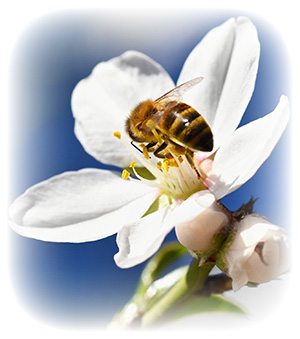
A New Zealand manuka honey producer has offered to test a British "rip-off" of manuka honey for the active ingredient, amid reports consumers are paying £55 ($145.54) a jar for the product.
Cornwall beekeepers have imported manuka plants from New Zealand to produce their own version of medicinal manuka honey. Kerry Paul, chief executive of honey health science company Manuka Health New Zealand, said today he was incredulous at the gullibility of British consumers. He offered to test the Cornwall honey for levels of the active ingredient.
"If consumers are expecting that honey to have the antibacterial properties which genuine manuka honey is famous for, I'm afraid they will be disappointed," he said. "The natural compound methylglyoxal (MGO™) is the active antibacterial ingredient in manuka honey, but it is not present at sufficient levels in all manuka honey. "That's why we certify the level of MGO™ in all our products," he said.
"If someone cares to send us an unopened jar of the Cornwall honey, we will have our lab test it." Mr Paul said he had seen a photograph of a pot of the Cornwall honey on a British newspaper website and could tell it was not manuka honey from the colour.
He doubted there was much manuka honey in the pot, which he said looked like it came from "mixed sources".
"In any case, there is no way an estate in Cornwall can reproduce the conditions which create genuine manuka honey.
"Even in New Zealand's climate, you need about one hectare of dense manuka forest per hive to produce 25kgs of honey.
"There would need to be many hectares of manuka to ensure the bees go to the manuka and not other flowers. This will not be the case in Cornwall.
"Sadly, this is yet another rip-off of genuine manuka honey which consumers around the world need to be alert to," Mr Paul said. The British honey is being produced on the Tregothnan estate in Cornwall.
The estate company claimed the £55 price tag was justified because its 100,000 bees were housed in 20 special hives claimed to be worth £5000 each and had the exclusive run of the garden's manuka bushes.
The honey is claimed to have medicinal qualities and can help ailments including gum disease, sore throats, acne, sunburn and digestive problems.
Mr Paul said consumers could obtain information online on how to tell if manuka honey was genuine, at www.mgomanuka.com and on his company's website www.manukahealth.co.nz
[May 22, 2009 - New Zealand Herald]A New Zealand manuka honey producer has offered to test a British "rip-off" of manuka honey for the active ingredient, amid reports consumers are paying £55 ($145.54) a jar for the product.
Cornwall beekeepers have imported manuka plants from New Zealand to produce their own version of medicinal manuka honey. Kerry Paul, chief executive of honey health science company Manuka Health New Zealand, said today he was incredulous at the gullibility of British consumers. He offered to test the Cornwall honey for levels of the active ingredient.
"If consumers are expecting that honey to have the antibacterial properties which genuine manuka honey is famous for, I'm afraid they will be disappointed," he said. "The natural compound methylglyoxal (MGO™) is the active antibacterial ingredient in manuka honey, but it is not present at sufficient levels in all manuka honey. "That's why we certify the level of MGO™ in all our products," he said.
"If someone cares to send us an unopened jar of the Cornwall honey, we will have our lab test it." Mr Paul said he had seen a photograph of a pot of the Cornwall honey on a British newspaper website and could tell it was not manuka honey from the colour.
He doubted there was much manuka honey in the pot, which he said looked like it came from "mixed sources".
"In any case, there is no way an estate in Cornwall can reproduce the conditions which create genuine manuka honey.
"Even in New Zealand's climate, you need about one hectare of dense manuka forest per hive to produce 25kgs of honey.
"There would need to be many hectares of manuka to ensure the bees go to the manuka and not other flowers. This will not be the case in Cornwall.
"Sadly, this is yet another rip-off of genuine manuka honey which consumers around the world need to be alert to," Mr Paul said. The British honey is being produced on the Tregothnan estate in Cornwall.
The estate company claimed the £55 price tag was justified because its 100,000 bees were housed in 20 special hives claimed to be worth £5000 each and had the exclusive run of the garden's manuka bushes.
The honey is claimed to have medicinal qualities and can help ailments including gum disease, sore throats, acne, sunburn and digestive problems.
Mr Paul said consumers could obtain information online on how to tell if manuka honey was genuine, at www.mgomanuka.com and on his company's website www.manukahealth.co.nz
Related Article


Related Links


×
![Image Modal]()
This content will be overwritten when the modal opens
This form is protected by reCAPTCHA - the Google Privacy Policy and Terms of Service apply.