Spoiler alert! Being pregnant is a daunting experience for both Mum and Dad, more on the Mum of course. But with the right attitude, mindset, and preparation, you’ll be able to make it an enjoyable and memorable one.
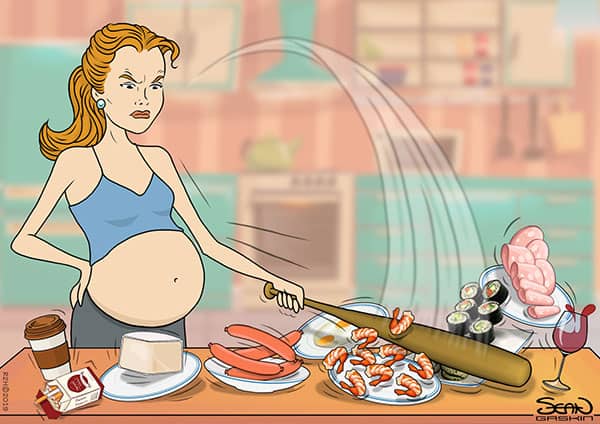
Being a pregnant Mum makes you think for two persons. When you’re expecting, what you eat, drink, and are exposed to can affect your baby’s health in the long run. You become conscious of your surroundings and become aware of things that can present danger to your baby. As a result of this, there are some foods and environmental factors you need to avoid while you’re pregnant. Here are some of the most common ones:
Avoid…
Food prepared at a deli, you don’t know how long it’s been sitting there. Better yet, a meal that’s prepared within your line of sight and served to you would be the absolute best. Most deli food especially meat is processed and may have been sitting there at the counter for some time. The processed meat they serve can become infected with harmful microorganisms during storage or preparation (more of these harmful microorganisms in the succeeding sections below). However, it is important to use common sense here, pregnant women should ensure their food is obtained from reputable establishments; stored, handled, and cooked properly; and consumed within a couple of days of purchasing.
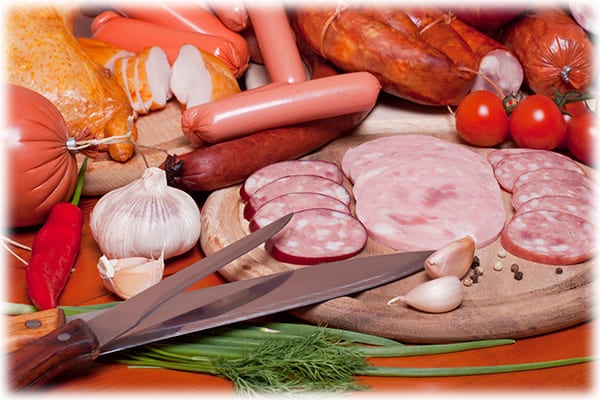
Any meat that’s raw, undercooked or processed. Eating raw or undercooked meat increases your risk of infection from harmful microorganisms like Listeria, Salmonella, Escherichia coli, and Toxoplasma.
Acute infections caused by these harmful microorganisms can cross the placenta and get to your baby causing the following diseases:
Toxoplasmosis(Toxoplasma infection). Based on a study among pregnant women from six large European cities that was published in British Medical Journal, 30 to 60% of Toxoplasmosis infections come from eating undercooked beef or lamb, 6 to 17% originate from contact with soil, and the rest come from travel to places known to have high incidences of Toxoplasmosis. Exposure to cats was not a significant risk factor in the mentioned study.
Listeriosis (Listeria infection). Notorious sources of listeriosis include soft-ripened cheeses, unpasteurised milk, and refrigerated ready-to-eat meats. Generally speaking, hard cheeses, cottage cheese, cream cheese, and shelf-stable items are not associated with Listeria infection and are safe to consume by pregnant women. Listeriosis is known to be a rare infection but is approximately 20 times more common among pregnant women than in the general non-pregnant population. Pregnant women make up a whopping 27% of all Listeria infections.
E. coli infectionEscherichia coli is a bacterium that normally lives in your large intestine and vagina. Undercooked meat, unwashed vegetables and fruits, and unpasteurised milk that make it to your digestive tract are sources that make its presence in your body abnormal. The most worrisome part of getting sick with E. coli infection is dehydration from too much diarrhoea.
Note:A processed meat is any meat that has been modified or altered to extend its shelf life, improve its taste or both.
Raw eggs. According to studies, pregnant women aren’t at increased risk for salmonellosis (Salmonella infection). The most common source of salmonellosis is eating raw or soft-cooked eggs. What you do have to be careful of is eating homemade foods that include salad dressings and mayonnaise, ice cream, custards, cake batter, and cookie dough. Make sure that you use pasteurised eggs with these homemade goodies. Commercial products are almost always made with pasteurised eggs. Salmonellosis among pregnant women occurs as often as its infection in the general non-pregnant population, with an incidence of 0.2% according to a recent study.
Raw or undercooked fish. Raw fish like shellfish can cause a wide variety of infections. They can be bacterial (Listeria, Salmonella, and Listeria) and viral (norovirus which causes stomach flu) in nature. Almost 20% of foodborne illnesses in the US are caused by eating raw or undercooked seafood. Because of this, hold your sushi craving until after your delivery.
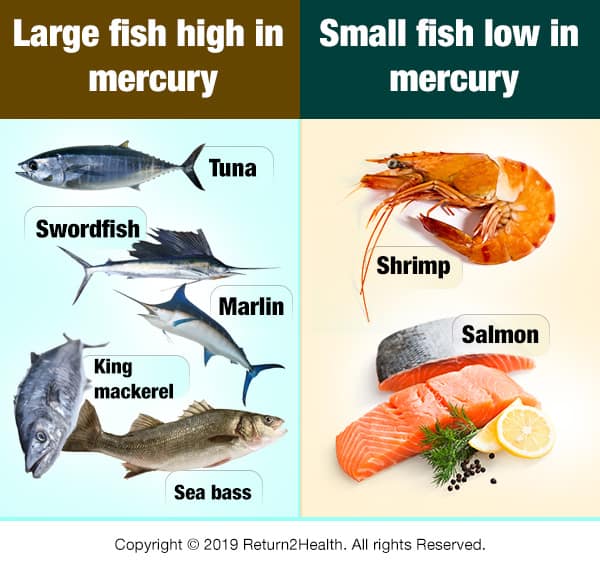
Large fish high in mercury. Tuna, swordfish, marlin, King mackerel, and Chilean sea bass are examples of fish with high mercury content. If you really want to eat fish during pregnancy, limit it to no more than two weekly average sized servings. You may prefer to choose low mercury seafood (eg, salmon and shrimp). There is no safe dose of mercury for pregnant women, unlike the general population. Mercury is directly toxic to the nervous system of the unborn baby.
Unpasteurised cheese and milk.Listeria, Salmonella, Escherichia coli, and Campylobacter bacteria are the usual suspects causing problems to pregnant mums when they eat unpasteurised cheese and milk. Most of the products we consume daily are pasteurised. Please don’t go around farms tasting raw goat’s milk when you’re pregnant. This isn’t the time.
Caffeine-containing drinks. It’s not just coffee that contains your daily fix of caffeine. It’s also present in sodas, chocolate, tea, energy drinks, and OTC (over-the-counter) medicines. Your body can metabolise caffeine, but your unborn baby sure can’t. High levels of caffeine in the baby’s system can increase the risk of low birth weight because of decreased blood flow to the placenta. The baby will also not be able to get a good night’s sleep (and neither will you because of all the foetal movements). Experiments on animals have suggested that it can cause birth defects. To play it safe, keep your caffeine fix to a minimum of 1 cup of standard coffee per day. Stay away from energy drinks.
Don’t just avoid smoking. Stop smoking, not just during pregnancy, but for the rest of your life. Please. Smoking increases the risk of preterm birth, low birth weight, and birth defects of the lips and mouth. It also increases your baby’s chances of developing SIDS (sudden infant death syndrome). SIDS is unexplained death common among babies less than one year old. Don’t make excuses for e-cigarettes or vaping either. You should stop using them as well. Avoid areas where you’re exposed to second-hand smoke.
Don’t just avoid alcohol. Stop drinking alcohol if you’re pregnant. Foetal alcohol syndrome (FAS) is one of the most dreaded consequences of drinking alcohol during pregnancy. Your baby can suffer from a whole gamut of medical problems like malformations, learning disabilities, motor deficits, etc. Who would want these unfortunate things for their baby? There’s no allowable number of drinks or type of alcohol during pregnancy. Heavy drinking among pregnant women in South Africa has led to an incidence of greater than 60 per 1,000 for FAS.
Long-haul flights. Long-haul flights expose travelling pregnant mums-to-be to low levels of naturally-occurring radiation from space. Your radiation levels are the result of the duration of flight, latitude, and altitude. Long-haul flights will certainly up your dose. Unfortunately, long-term studies regarding the effects of radiation exposure during long-haul flights when your pregnant aren’t conclusive. Better to avoid for now. Plus, imagine being pregnant and sitting down most of the time in a 17-hour flight from Auckland to Dubai. Some international airlines will not allow you to fly after 28 weeks of pregnancy. Long-haul flights also increase your risk of developing DVT (deep vein thrombosis), so drink a lot of water and move around regularly.
Toxic chemicals. Your skin is an organ capable of absorbing huge amounts of toxic chemicals that can harm your baby. Pregnant women respond differently to various skincare products. Fortunately, there are hard and fast rules on which chemicals in skincare products should be avoided. Examine the label for these chemicals: retinol, oxybenzone and avobenzone (found in sunscreens), benzoyl peroxide, salicylic acid, hydroquinone, parabens, and aluminium chloride (deodorants). Chemicals around the house and at the salon also pose a threat. Below are some of the more common ones you should watch out for and avoid:
Phthalates – air fresheners
Bisphenol – A (BPA) found in plastic products and canned goods
Triclosan – soaps
Polyvinyl chloride – plastic products like toys and shower curtains
Perfluorooctanoic acid (PFOA) – released from Teflon when heated to 450 degrees Celsius
All the chemicals in pesticides, so keep them out of the house
Formaldehyde, toluene, phthalates in hair colouring products and perms
Note: Almost all of these chemicals are listed on the labels of these products. Always read the labels.
Electromagnetic Fields (EMF). An in-depth review of approximately 25,000 scientific studies over the past 30 years by the WHO has concluded that there’s not enough evidence for now to confirm the existence of negative effects resulting from exposure to low levels of electromagnetic fields. But, and that’s a big but, there are some gaps that need to be covered regarding the biological effects at the cellular level which need more research. We don’t need to wait for those conclusions to arrive especially when you’re pregnant. Some measures to protect you and your baby include the following:
Turn off your Wi-Fi when you sleep. Keep the Wi-Fi router away from the living room and bedroom where you sleep.
Keep your cell phone away from you or put it in flight mode when near you especially for long periods. You can also use the speakerphone function or cordless home phones to increase their distance from your body and baby.
Try visiting your friends and relatives instead of talking to them over the cell phone. Read more about EMFs by clicking here.
Yeah, we know, the list of things to avoid above is long, but in reality, it’s not a list of spoilers. Consider it a guide. Remember nine months of your life is not that long when you compare it to the lifelong health of your baby that you are trying to protect. You may want to read another article we have on pregnancy, click here.




 -[Click on the image to Enlarge]
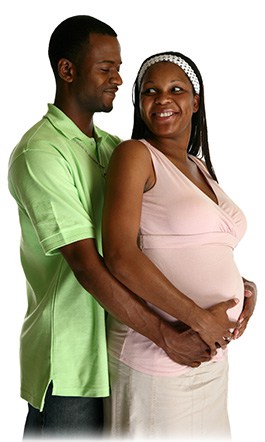 Being a pregnant Mum makes you think for two persons. When you’re expecting, what you eat, drink, and are exposed to can affect your baby’s health in the long run. You become conscious of your surroundings and become aware of things that can present danger to your baby. As a result of this, there are some foods and environmental factors you need to avoid while you’re pregnant. Here are some of the most common ones:
 -[Click on the image to Enlarge]
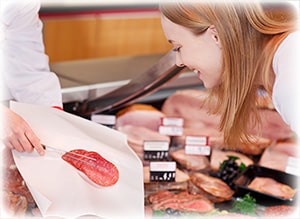 Food prepared at a deli, you don’t know how long it’s been sitting there. Better yet, a meal that’s prepared within your line of sight and served to you would be the absolute best. Most deli food especially meat is processed and may have been sitting there at the counter for some time. The processed meat they serve can become infected with harmful microorganisms during storage or preparation (more of these harmful microorganisms in the succeeding sections below). However, it is important to use common sense here, pregnant women should ensure their food is obtained from reputable establishments; stored, handled, and cooked properly; and consumed within a couple of days of purchasing.



This form is protected by reCAPTCHA - the Google Privacy Policy and Terms of Service apply.