A thiol is a compound (a substance made up of two or more chemical elements) that is composed of a sulphur atom attached to a hydrogen atom. Sulfhydryl group is another term used for a thiol compound in organic chemistry. Two of the twenty amino acids include the atom sulphur in their structures - cysteine and methionine. Between these two amino acids, only cysteine has a thiol group.
Why is there so much fuss about thiol groups and sulphur? Why should we be concerned about them?
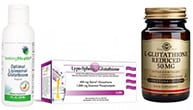
Your liver is such a marvellous multitasking organ. One of its tasks is to metabolise toxic molecules into less harmful forms throughphase II detoxification processes. Three processes in phase II detoxification require sulphur to proceed forward: glucuronidation, sulphation, and glutathione-S-transferase (GST) action. GST is needed to catalyse (speed up) the conjugation of glutathione to external substances (e.g. drugs) for elimination from your system. Glutathione is one of the most powerful naturally produced antioxidants in the human body. It’s composed of three familiar amino acids: glutamine, glycine, and cysteine (yes, the same cysteine that has sulphur and is a thiol compound).
Sulphur is also converted to sulphate in your body to serve a variety of needs. Approximately half of the total sulphate in your body is stored in muscles, bones, and skin.
Your body needs sulphur to make a thiol group and produce cysteine. Cysteine is used to produce glutathione.
So, why on Earth would someone not be able to tolerate thiol? (intolerance to sulphur or thiol)?
A person who has an intolerance to thiol can’t tolerate, handle, or process large quantities of sulphur, especially in the form of thiol groups. That person gets sick and signs and symptoms of intolerance manifest like:
Fatigue easily
Constipation
Eye redness
Too much intestinal gas and bloating
Joint pains
Brain fog
Skin rashes
Headache
Thiol intolerance is secondary to excess sulphur in the form of thiol in your body. Anything that hinders the use of sulphur in the production of glutathione and conversion to sulphates may lead to thiol intolerance. Eating foods high in thiols directly increases circulating thiol levels. The signs and symptoms of thiol intolerance start a few hours after consuming foods high in thiols. You will feel good and energised at first. Then the above mentioned symptoms will settle in and will last anywhere between a day up to a week. If you continue to eat foods high in thiol, these signs and symptoms can last for a long time.
You only need to watch out for foods that have high levels of free thiols. Foods that contain sulphur (elemental sulphur) shouldn’t be of concern that much. It’s the thiols that you should be worried about.
The Relationship between Thiol Intolerance and Mercury Toxicity
We all know that mercury is toxic to our bodies. Most of us are exposed to it through dental amalgams, occupational exposure, and consumption of contaminated fish. We shall be concentrating more on mercury from consumption of contaminated fish. Methylmercury is the predominant form of mercury contaminating fish. Intestinal absorption of methylmercury can reach as high as 80%. When it enters your bloodstream, it attaches itself to sulfhydryl groups (thiols!) especially to the ones attached to the amino acid cysteine. The methylmercury is deposited throughout your body and attains a balance of distribution between your body and your bloodstream after around four days.
The largest concentrations of methylmercury in your body are located in your brain, kidney, placenta and foetus (if pregnant), liver, peripheral nerves, and bone marrow. Methylmercury that has been deposited on tissues will undergo demethylation (removal of a methyl group) to inorganic mercury. Methylmercury circulating in your blood roughly takes around 70 days to be cleared from your system. Ninety per cent of it is eliminated in your stools.
When you eat a lot of thiol rich foods, you also circulate a large number of sulfhydryl compounds that are ready to bind with mercury in the tissues. This is where the problem arises. Circulation and redistribution of mercury inside your body produce the signs and symptoms of thiol intolerance. It’s important to note that in the human body, nothing is as straightforward as it seems. Even mercury mobilisation by binding with sulfhydryl compounds are complicated by other mechanisms operating in your body.
Use the Thiol Elimination Diet to Determine if You have Thiol Intolerance
A thiol elimination diet can be divided into two phases:
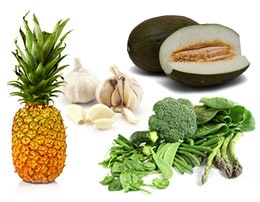
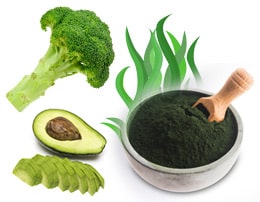
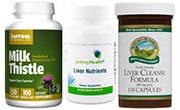
Phase 1 is the actual thiol elimination phase. It includes avoiding all high thiol foods and supplements that contain thiol groups for seven days. The effects of your last consumption of thiol-containing substances wears off within seven days. Any signs and symptoms you may feel after your last consumption and within that seven days may be secondary to thiol intolerance. Just make sure you don’t ingest any additional high thiol-containing substances within that one week.
Phase 2 begins ten days after your last ingestion of high thiol-containing substances. You introduce a huge amount of high thiol foods into your system suddenly and continue eating a lot for a week. Carefully observe what you’re feeling during the rapid and massive introduction of high thiol containing foods into your system. If you feel the signs and symptoms of thiol intolerance right after introduction, there’s no need to continue for one whole week. It already suggests that you may have thiol intolerance. This probably means that you should decrease your intake of high thiol foods.
Ask a qualified health practitioner or naturopath with experience in this area before trying out the thiol elimination diet. You can also ask the advice of your primary healthcare provider to check if you’re fit to do so and eliminate other medical causes of your signs and symptoms.







 -
[Click on the image to Enlarge]
-
[Click on the image to Enlarge]
 We all know that mercury is toxic to our bodies. Most of us are exposed to it through dental amalgams, occupational exposure, and consumption of contaminated fish. We shall be concentrating more on mercury from consumption of contaminated fish. Methylmercury is the predominant form of mercury contaminating fish. Intestinal absorption of methylmercury can reach as high as 80%. When it enters your bloodstream, it attaches itself to sulfhydryl groups (thiols!) especially to the ones attached to the amino acid cysteine. The methylmercury is deposited throughout your body and attains a balance of distribution between your body and your bloodstream after around four days.
 When you eat a lot of thiol rich foods, you also circulate a large number of sulfhydryl compounds that are ready to bind with mercury in the tissues. This is where the problem arises. Circulation and redistribution of mercury inside your body produce the signs and symptoms of thiol intolerance. It’s important to note that in the human body, nothing is as straightforward as it seems. Even mercury mobilisation by binding with sulfhydryl compounds are complicated by other mechanisms operating in your body.

 -
[Click on the image to Enlarge]
-
[Click on the image to Enlarge]


This form is protected by reCAPTCHA - the Google Privacy Policy and Terms of Service apply.