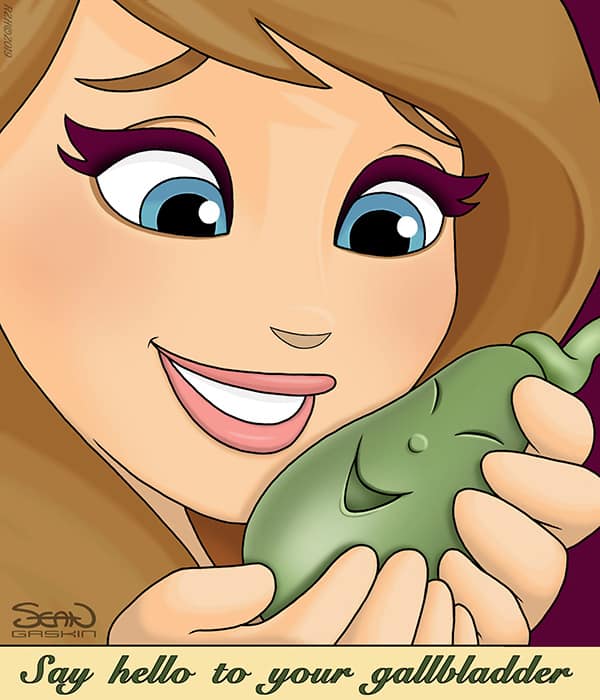
Your Gallbladder. The organ you can live ... without but would, seriously rather have
The organ you can live without but would, seriously rather have
[Click on the image to Enlarge]
A Gallbladder’s Job Description
Your gallbladder is a sexy, muscular organ shaped like a boxing speed bag that is comfortably tucked under your liver. Its job description includes storage of bile that’s secreted by the liver. Bile is a green to dark brown alkaline fluid which aids in fat digestion. It’s composed of water, bile salts, cholesterol, fats, proteins, and bilirubin (from old red blood cells).
When food enters your small intestine, your gallbladder contracts to discharge bile. It travels down the bile duct (connection between gallbladder and intestines) into your small intestine where it aids in the emulsification and digestion of fats. It also aids in the digestion and absorption of fat soluble vitamins (A, D, E & K). After emptying, your gallbladder gradually fills up again with bile, concentrates it, and makes it ready for your next meal.
Your gallbladder also aids in the elimination of many waste products through that bile that then get sent out through the faeces.
An Under the Weather Gallbladder
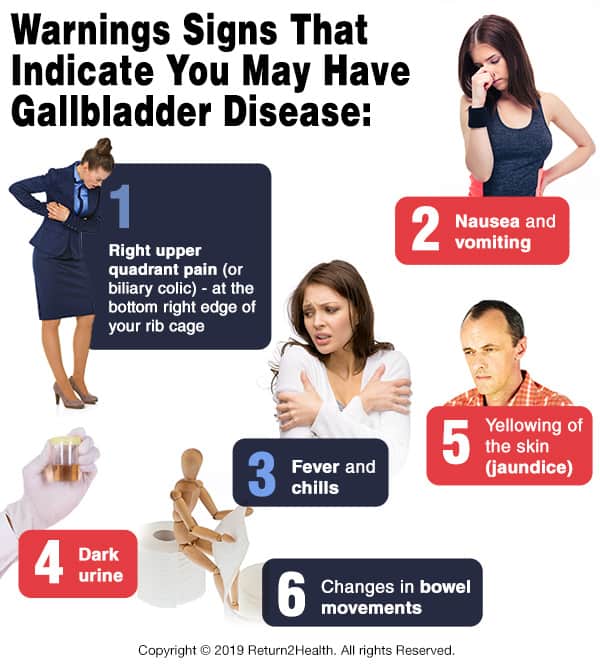
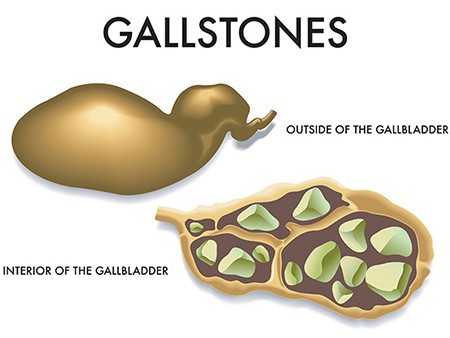
Your gallbladder gets sick too, more often than you may think. Most of the time your gallbladder is silent (asymptomatic) and tells you nothing about what it’s feeling. Your chances of developing gallbladder disease increase as you get older. It’s more prevalent among women. People who are overweight and have a family history of gallbladder disease also have a higher chance of developing a sick gallbladder. The most common diseases of the gallbladder include stones (about 70% of the time), acute and chronic cholecystitis, gallbladder polyps, and gallbladder cancer.
Note: These warning signs and symptoms should be taken in context. They may indicate another disease entirely unrelated to your gallbladder. So it’s important to visit your doctor if you’re experiencing these symptoms.
Your Gallbladder Needs Your Support Too
Bitters or bitter tasting herbs have long been used by people around the world to improve digestion in the gastrointestinal tract. Good examples of bitters for your gallbladder include gentian (Gentiana lutea radix), dandelion leaf (Taraxacum officinale), wormwood (Artemisia absinthium), and coffee (Coffea arabica semen). Gentian and wormwood were found to increase peripheral vascular resistance thus aiding digestion while coffee elevates your heart rate and optimises blood flow to your digestive organs including the liver and gallbladder. The more blood that flows to your gallbladder, the better its function of supplying bile will be.
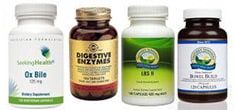
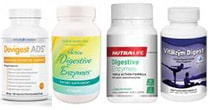
Digestive enzymes especially lipases. The bile stored in your gallbladder helps the lipase (enzyme to digest fats) from your pancreas by breaking fats into droplets which are easier to digest and absorb. The rest of the digestive enzymes act on the other macronutrients to complete the digestive process. Unfortunately, the amount of lipase produced in your pancreas may not be enough to digest the fats you ate. This can cause problems in how your small intestine assimilates the food. The more lipase you have that works with bile squeezed from your gallbladder, the more efficient your fat digestion will be. In the end, you will absorb more nutrients. Additionally, people with gallbladder, pancreatic, and liver diseases benefit greatly from digestive enzymes.
Timely, unobstructed bile flow aids digestion of food and removal of toxins and excess cholesterol from your body. It’s helpful for you to know that certain foods promote the production and the flow of bile like bitter artichoke (Cynara cardunculus), and oat bran.
Avoid damaged fats and processed plant oils. Try to have undamaged fats like butter, extra virgin coconut oil, extra virgin olive oil, and avocado. In general, foods from fast food chains, packaged meats, chips, and processed dairy is better avoided. It’s also important to point out that you shouldn’t eat these types of fatty foods at night. Often gallbladder diseases strike after a heavy meal full of fat at night.
Avoid sugars. Surprised? It’s not just unhealthy refined fats you should worry about. You should also watch out for your sugar intake, especially if you have diabetes mellitus. If you persistently have high blood glucose or are suffering from diabetes, you’re more likely to develop gallbladder diseases. This observation has been supported by an article published in the Journal of Diabetes Complications (2016). Though the exact mechanism as to how this happens still eludes researchers.
What do you do if your gallbladder has been removed?
Your gallbladder may have been removed for a variety of reasons, the most common of which is the presence of a large stone (cholelithiasis) or to address inflammation (cholecystitis). After removal, your body will need an additional supply of bile. A common symptom you can expect after the removal of your gallbladder is diarrhoea.
Under normal conditions, your gallbladder collects bile from your liver and concentrates it, optimising it for full function before releasing it into your intestines. If your gallbladder is removed, the bile travels directly from your liver to your intestines without a concentrating and optimisation process. Though your body will adjust to this new bile mixture. During this adjustment period, you may experience diarrhoea. Unfortunately, some experience chronic diarrhoea (more than six weeks). You may need to supplement with ox bile (a supplement) to facilitate fat digestion. It contains bile salts in the right amount, concentration, and formulation that your digestive system needs to break down fats.
Your gallbladder is an organ you can live without but would rather have around in its healthy state. It’s, therefore, best that you know how to support it and identify if it’s sick. As you grow older, your gallbladder grows old with you, so take good care of it.




 [Click on the image to Enlarge]
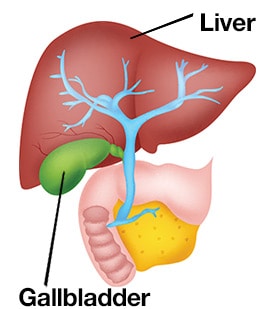 When food enters your small intestine, your gallbladder contracts to discharge bile. It travels down the bile duct (connection between gallbladder and intestines) into your small intestine where it aids in the emulsification and digestion of fats. It also aids in the digestion and absorption of fat soluble vitamins (A, D, E & K). After emptying, your gallbladder gradually fills up again with bile, concentrates it, and makes it ready for your next meal.
 [Click on the image to Enlarge]
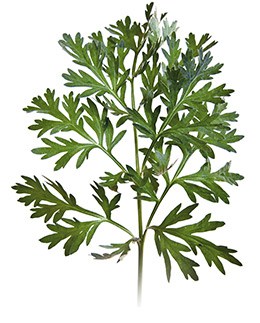 Bitters or bitter tasting herbs have long been used by people around the world to improve digestion in the gastrointestinal tract. Good examples of bitters for your gallbladder include gentian (Gentiana lutea radix), dandelion leaf (Taraxacum officinale), wormwood (Artemisia absinthium), and coffee (Coffea arabica semen). Gentian and wormwood were found to increase peripheral vascular resistance thus aiding digestion while coffee elevates your heart rate and optimises blood flow to your digestive organs including the liver and gallbladder. The more blood that flows to your gallbladder, the better its function of supplying bile will be.
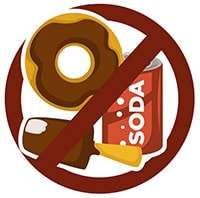 Avoid sugars. Surprised? It’s not just unhealthy refined fats you should worry about. You should also watch out for your sugar intake, especially if you have diabetes mellitus. If you persistently have high blood glucose or are suffering from diabetes, you’re more likely to develop gallbladder diseases. This observation has been supported by an article published in the Journal of Diabetes Complications (2016). Though the exact mechanism as to how this happens still eludes researchers.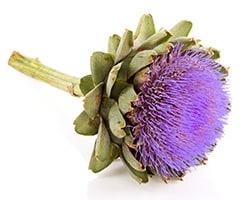


This form is protected by reCAPTCHA - the Google Privacy Policy and Terms of Service apply.