
Common Antioxidants and Their Sources



Fight Oxidation with the Right Armamentarium
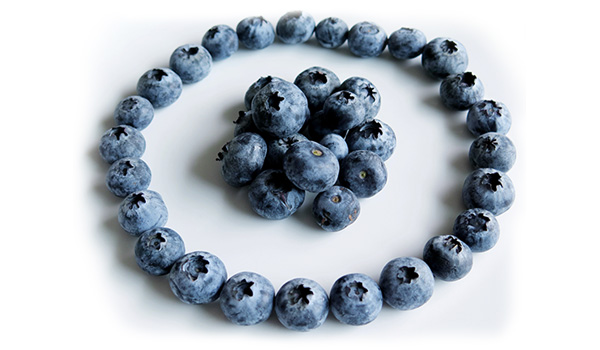
Antioxidants are everywhere. You can find them on store shelves, advertised on TV and the Internet, a topic of conversation at last night’s cocktail party, and this week’s headline on the news. It’s hard not to be conscious about your health and NOT hear or read about antioxidants.
Antioxidants are biochemical compounds found in your food (especially plants) that delay damage or injury to the cells in your body. Because of their source (food), the food is sometimes referred to as an antioxidant. Antioxidants delay cellular damage by removing waste products in cells before they can do further damage. They’re released from the food you eat through digestion, absorbed, and travel via your bloodstream and ultimately into your cells. Some antioxidants are produced naturally in your body and at the same time are also available as dietary supplements.
Note: Other antioxidants like vitamins A, C, E and the mineral selenium are discussed elsewhere. They do have wonderful antioxidant properties and at the same time exert other positive and beneficial effects.
Remember, when somebody talks about antioxidants, they may be referring to a compound, food, or a compound in the food. It’s best to consult your primary healthcare provider before taking any antioxidants, especially if you have a medical condition or are taking any medications.
Fight Oxidation with the Right Armamentarium
Antioxidants are everywhere. You can find them on store shelves, advertised on TV and the Internet, a topic of conversation at last night’s cocktail party, and this week’s headline on the news. It’s hard not to be conscious about your health and NOT hear or read about antioxidants.
Antioxidants are biochemical compounds found in your food (especially plants) that delay damage or injury to the cells in your body. Because of their source (food), the food is sometimes referred to as an antioxidant. Antioxidants delay cellular damage by removing waste products in cells before they can do further damage. They’re released from the food you eat through digestion, absorbed, and travel via your bloodstream and ultimately into your cells. Some antioxidants are produced naturally in your body and at the same time are also available as dietary supplements.
Common Antioxidants
- Flavonoids are a diverse family of plant compounds composed of six big family members (flavonols, isoflavones, flavones, flavanones, flavanols, flavan-3-ols, and anthocyanidins.) Aside from their antioxidant properties, they also have antidiabetic, anticancer, antithrombogenic (prevent blood clots in your arteries), anti-inflammatory, and neuroprotective abilities through various processes. Recent studies have validated that they may decrease your risk of developing Type 2 diabetes mellitus and cardiovascular disease. Sources of flavonoids include cocoa, tea, fruits, and vegetables.
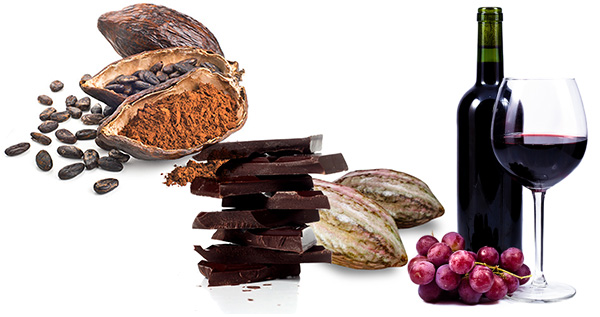
- Under the big Flavonoid family member anthocyanidins, are OPCs. OPC stands for oligomeric proanthocyanidins. OPCs are found in high concentrations in pear, apple, grapes, chocolate, tea, and wine. A recent study published in the journal Carcinogenesis (May 2019) has demonstrated the ability of OPCs to overcome colorectal cancer cells that are resistant to chemotherapy. The study showed their tremendous potential as an adjunctive (supplementary) treatment in patients with colorectal cancer that don’t respond readily to chemotherapy.
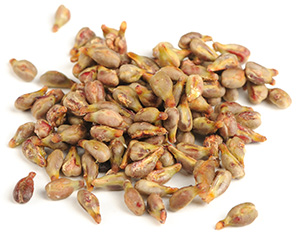 Resveratrol is a compound abundant in grape skin and seeds which has potent antioxidant properties and also acts as a phytoalexin (fights bacteria and fungi). It shows great promise as an antitumor agent, being able to suppress tumour growth in all stages under experimental conditions. Other beneficial properties under its belt include anti-inflammatory, cardioprotective (protects your heart), vasorelaxant (relaxes your blood vessels), and neuroprotective activities.
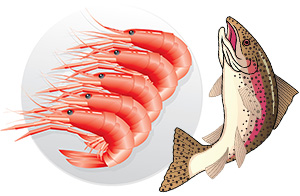
- Astaxanthin shows great promise in the medical field of dermatology. A comprehensive review of astaxanthin that was published in the journal Nutrients (April 2018) showed its antioxidant and anti-wrinkle effects. It can inhibit enzymes that destroy proteins on the skin and prevents the generation of reactive oxygen species. More studies are needed though, to solidify its benefits. Astaxanthin is a carotenoid produced by several microalgae, yeasts, and bacteria. Food sources include salmon, krill, trout, shrimp, and crayfish.
- Coenzyme Q10 (CoQ10) is a naturally occurring compound present in your body, concentrated mostly in your liver, heart, kidneys, and pancreas. Aside from its role as an antioxidant, it also aids in the production of energy in your cells. If you’re taking anticoagulants, inform your doctor first before supplementing with Coenzyme Q10 as it might make your medicine less effective.
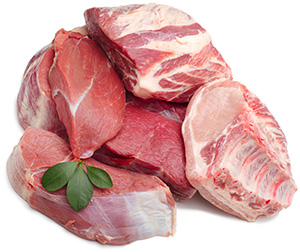
A study published in the journal Frontiers in Physiology (February 2018) has reviewed the wonderful benefits of Coenzyme Q10 based on updated scientific evidence. Its list of benefits includes decreased inflammation in cardiovascular diseases, slow down ageing, minimise oxidative stress in patients with kidney and neurodegenerative diseases, alleviate the symptoms of chronic fatigue syndrome, and boost male and female fertility. Food sources of Coenzyme Q10 include organ and muscle meats (from pork, beef, and chicken), fish (sardines and trout), and nuts and seeds.
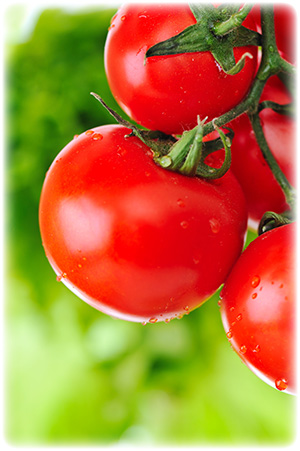
- Alpha-lipoic acid shows great therapeutic potential (as a medicine) against diabetes according to an article published in the Canadian Journal of Physiology and Pharmacology (September 2015). Alpha lipoic acid is naturally produced by your body and is also available in a variety of foods like organ meats (liver, kidney, and heart), tomatoes, potatoes, and green peas. Its army of benefits include improvement in blood glucose levels, reduction in insulin resistance, decrease the incidence of diabetic complications, slow down skin ageing, decrease memory loss among patients with Alzheimer’s disease, and optimise nerve functioning.
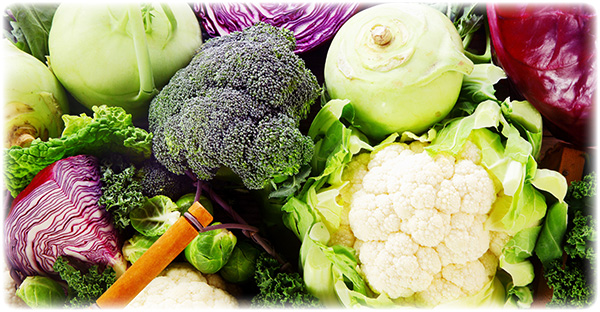
- Superoxide dismutase (SOD) is a valiant member of the first line of defence (together with catalase and glutathione peroxidase) against the onslaught of radical oxygen species. Dubbed as the most powerful antioxidant inside the cell, SOD has therapeutic effects on inflammatory diseases, ageing, neurodegenerative diseases, diabetes, and cancer by alleviating the symptoms (not curing the disease itself). SOD food sources include melons (honeydew and cantaloupe) and cruciferous vegetables like Brussel sprouts, broccoli, and cabbage.
- Glutathione is arguably the best-known antioxidant. Aside from its anti-ageing and skin-lightening effects, this naturally produced antioxidant also does the following functions:
- Regenerate vitamins E and C, both powerful antioxidants on their own.
- A study published in BMC Gastroenterology (August 2017) found that glutathione has good potential in treating patients with fatty liver disease.
- Help in DNA formation
- Form sperm cells
- Assists certain enzymes in doing their function
- Help in decreasing the effects of heavy metal toxicity, especially mercury
- Glutathione is rapidly gaining importance in the treatment of certain diseases like age-related macular degeneration, Parkinson’s Disease, cataracts, and cancer.
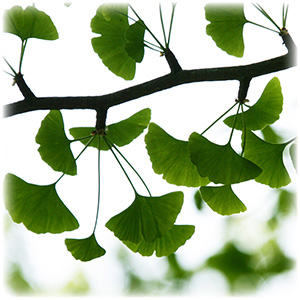 Ginkgo biloba is quite the popular supplement extracted from a tree that bears the same name. Because of its terpenoids and flavonoids, it’s well-known for its antioxidant properties. Also, Ginkgo biloba has shown evidence that it may be able to improve memory, normalise behaviour, and enable people who have dementia to perform daily tasks. There’s no other source of Ginkgo biloba except the tree. So if you want to enjoy its antioxidant properties, you have to take supplements.
- Grape seed extract may be useful in decreasing the incidence of complications from diabetes, risk of atherosclerosis, and cholesterol levels. It has some potential for preventing cancer and speeding up wound healing. It contains a lot of proanthocyanidins. Grape seed extract is only available as a dietary supplement.
- Pine bark extract is another antioxidant supplement loaded with proanthocyanidins. Its benefits include better blood glucose level control, decreases inflammation, boosts athletic performance, and strengthens the immune system. If you’re on blood thinners, do NOT take this supplement. Ask your doctor first.
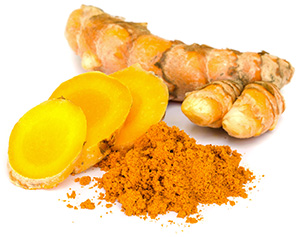 Curcumin is the main bioactive substance in the spice turmeric. It’s best known for its antioxidant and anti-inflammatory properties. Curcumin can increase the levels of natural antioxidants in your body and decrease ongoing inflammation. A study published in the Journal of Life Sciences (March 2016) demonstrated its capability to suppress cancer cells from multiplying. There was a glaring caveat though, its bioavailability. However it can easily be incorporated into your diet, so eat or drink turmeric.
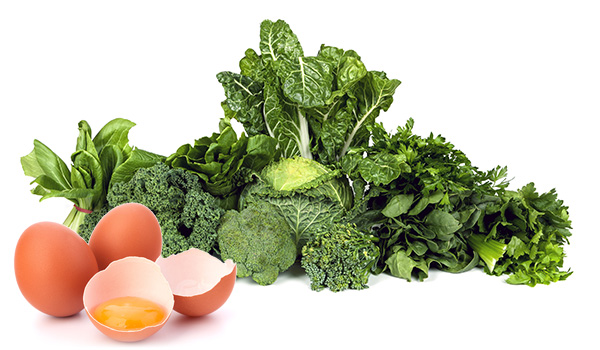
- Lutein-containing foods include egg yolks and green leafy vegetables. An article that appeared in the European Journal of Nutrition (November 2017) clearly stated lutein’s role and importance in improving vision and preventing cataracts and age-related macular degeneration. It’s not just an eye vitamin (or antioxidant) though. It has the power to recycle another powerful antioxidant, glutathione, and may even reduce skin inflammation from exposure to the sun’s harmful rays.
Note: Other antioxidants like vitamins A, C, E and the mineral selenium are discussed elsewhere. They do have wonderful antioxidant properties and at the same time exert other positive and beneficial effects.
Remember, when somebody talks about antioxidants, they may be referring to a compound, food, or a compound in the food. It’s best to consult your primary healthcare provider before taking any antioxidants, especially if you have a medical condition or are taking any medications.
Related Articles


Related Links
References
- https://www.ncbi.nlm.nih.gov/pubmed/30596962
- https://www.ncbi.nlm.nih.gov/pmc/articles/PMC3891543/
- https://www.ncbi.nlm.nih.gov/pmc/articles/PMC5946223/
- https://www.ncbi.nlm.nih.gov/pubmed/26334117
- https://www.ncbi.nlm.nih.gov/pmc/articles/PMC6164842/
- https://www.ncbi.nlm.nih.gov/pmc/articles/PMC5946307/
- https://www.ncbi.nlm.nih.gov/pmc/articles/PMC5807419/
- https://www.nrcresearchpress.com/doi/abs/10.1139/cjpp-2014-0353?rfr_dat=cr_pub%3Dpubmed&url_ver=Z39.88-2003&rfr_id=ori%3Arid%3Acrossref.org&journalCode=cjpp#.XRMUUY9RU2w
- https://www.ncbi.nlm.nih.gov/pmc/articles/PMC5989440/
- https://www.sciencedirect.com/science/article/pii/S2090506817301550
- https://www.ncbi.nlm.nih.gov/pmc/articles/PMC5549431/
- https://www.sciencedirect.com/topics/neuroscience/glutathione
- https://bmcgeriatr.biomedcentral.com/articles/10.1186/1471-2318-10-14
- https://www.sciencedirect.com/topics/neuroscience/grape-seed-extract
- https://www.ncbi.nlm.nih.gov/pmc/articles/PMC3203267/
- https://www.sciencedirect.com/science/article/abs/pii/S0024320516300741?via%3Dihub
- https://www.ncbi.nlm.nih.gov/pubmed/26876915
- https://www.ncbi.nlm.nih.gov/pmc/articles/PMC5715043/
- https://www.ncbi.nlm.nih.gov/pmc/articles/PMC4321000/
- https://nutritionj.biomedcentral.com/articles/10.1186/1475-2891-9-3
- https://nccih.nih.gov/health/antioxidants/introduction.htm
×
![Image Modal]()
This content will be overwritten when the modal opens
This form is protected by reCAPTCHA - the Google Privacy Policy and Terms of Service apply.