When you are born, your
immune system is totally underdeveloped. In order for a young child's immune system to develop, they need to be exposed to certain mixtures of viruses, bacteria, moulds and fungi, dust mites and other bugs. Possibly, due to being over sanitised (too clean), our exposure to these critters has significantly decreased. As a result, a child’s immune system may not be prepared to handle future exposure as an older child, teenager and into adulthood. This lack of exposure can make us more vulnerable to certain infectious diseases.
These preceding statements explain the basis behind the
hygiene hypothesis.
For example, one of your first lines of defense is your skin. You need the normal bacteria residing on your skin to reduce the numbers of harmful microbes who are masterminding setting up camp on your hide (skin). If you’re too clean, you tend to wipe out the healthy residents and pave the way for the harmful ones to take up residence.
Another application of the hygiene hypothesis is in the case of childhood asthma. If you were exposed to more microorganisms (germs) during your childhood, could this have prevented you from developing asthma? Based on the hygiene hypothesis, a child exposed to germs and particular infections help the immune system develop. Precisely speaking, this teaches the body to be able to differentiate between harmful substances and harmless substances that supposedly trigger asthma. In essence, when applied to allergic disorders, the hygiene hypothesis instructs the body not to overreact to these triggers. Smart huh?
One theory is that children growing up in rural areas, around animals and in larger families seem to develop asthma less often than other children. This may be due to increased exposure to particular viruses, bacteria or parasites.
The statements regarding allergy and the hygiene hypothesis sound simple enough. Not quite. The type of infection, length of exposure, at what point in the child’s life the infection or exposure occurred are just a few of the factors being considered for the hypothesis to be applied. More research is definitely needed.
In essence, the hygiene hypothesis could explain the rise in atopic diseases (allergic rhinitis, atopic dermatitis, asthma) and autoimmune diseases (diabetes mellitus type 1). Over cleanliness during childhood may certainly predispose you to these kinds of diseases during adulthood.
Antibiotic-Resistant Strains of Bacteria
Some strains of harmful bacteria are resistant to commonly prescribed antibiotics. These antibiotics are usually helped by beneficial bacteria found in your body. If you wipe out the beneficial bacteria by being too clean, then you’re setting yourself up for these antibiotic-resistant strains to colonise your gut.
Some Tips on How NOT to be TOO CLEAN
Don’t be bothered about your child eating a little dirt (like in the sandbox) at one time or another. Small children are naturally curious about their environment.
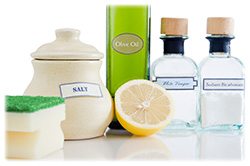
Use natural cleaning products which aren’t specifically formulated as antiseptics. Examples include white vinegar (good all-around house cleaner), lemon and baking soda (for removing grime). Search online, there are lots of helpful DIY house cleaning formulas you can make at home.
Practice good handwashing techniques and remember to use natural soap. Again, the soap shouldn’t be precisely formulated to be antiseptic.
Get a pet. A pet cat or dog can help prime your child’s immune system. Exposing them early in their lives to animal hair and other allergens will boost their immune system.
Give your baby time to develop his or her immune system. When a baby is born naturally, his or her initial immunity comes directly from the mother. It’s only by six months of age that your baby can develop an effective immune response against an allergen or germ. Until then, no unnecessary exposures.
At one point, you’ve got to ask - is your home too highly sanitised? Don’t worry as soon as you’ve finished cleaning, new critters and dirt enter. They’re brought to you by your guests, pets and other members of your family (the children).
According to the ‘hygiene hypothesis’ lifestyle changes in modern times have led to a decrease of infectious diseases and are associated with the rise of allergic and autoimmune diseases. And what there does seem to be agreement on is that for children with asthma and other allergies, exposure to germs is likely to do more good than harm. There is suggestion too that the hypothesis should be renamed e.g: the ‘microbial exposure hypothesis’ or ‘microbial deprivation hypothesis’.
The hygiene hypothesis basically tells us that dirt and bugs are still good for us. Being too clean isn’t that healthy for you. The resident bacteria on your skin and throughout your digestive tract are there for a very good reason - they are your immune system's first line of defence. Good and standard hygienic practices get rid of the harmful ones (microorganisms which cause infectious diseases). We hope you agree - don’t overthink hygiene and cleanliness, you still need common sense.






 [Click on the image to Enlarge]
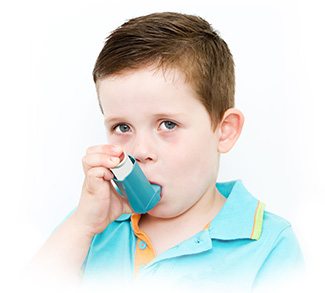 Another application of the hygiene hypothesis is in the case of childhood asthma. If you were exposed to more microorganisms (germs) during your childhood, could this have prevented you from developing asthma? Based on the hygiene hypothesis, a child exposed to germs and particular infections help the immune system develop. Precisely speaking, this teaches the body to be able to differentiate between harmful substances and harmless substances that supposedly trigger asthma. In essence, when applied to allergic disorders, the hygiene hypothesis instructs the body not to overreact to these triggers. Smart huh?
One theory is that children growing up in rural areas, around animals and in larger families seem to develop asthma less often than other children. This may be due to increased exposure to particular viruses, bacteria or parasites.
Another application of the hygiene hypothesis is in the case of childhood asthma. If you were exposed to more microorganisms (germs) during your childhood, could this have prevented you from developing asthma? Based on the hygiene hypothesis, a child exposed to germs and particular infections help the immune system develop. Precisely speaking, this teaches the body to be able to differentiate between harmful substances and harmless substances that supposedly trigger asthma. In essence, when applied to allergic disorders, the hygiene hypothesis instructs the body not to overreact to these triggers. Smart huh?
One theory is that children growing up in rural areas, around animals and in larger families seem to develop asthma less often than other children. This may be due to increased exposure to particular viruses, bacteria or parasites.

 Don’t be bothered about your child eating a little dirt (like in the sandbox) at one time or another. Small children are naturally curious about their environment.
 Practice good handwashing techniques and remember to use natural soap. Again, the soap shouldn’t be precisely formulated to be antiseptic.





This form is protected by reCAPTCHA - the Google Privacy Policy and Terms of Service apply.