





WITH GREAT ANTIOXIDANT POWER COMES A LOT OF RESPONSIBILITIES
WHAT IS GLUTATHIONE?
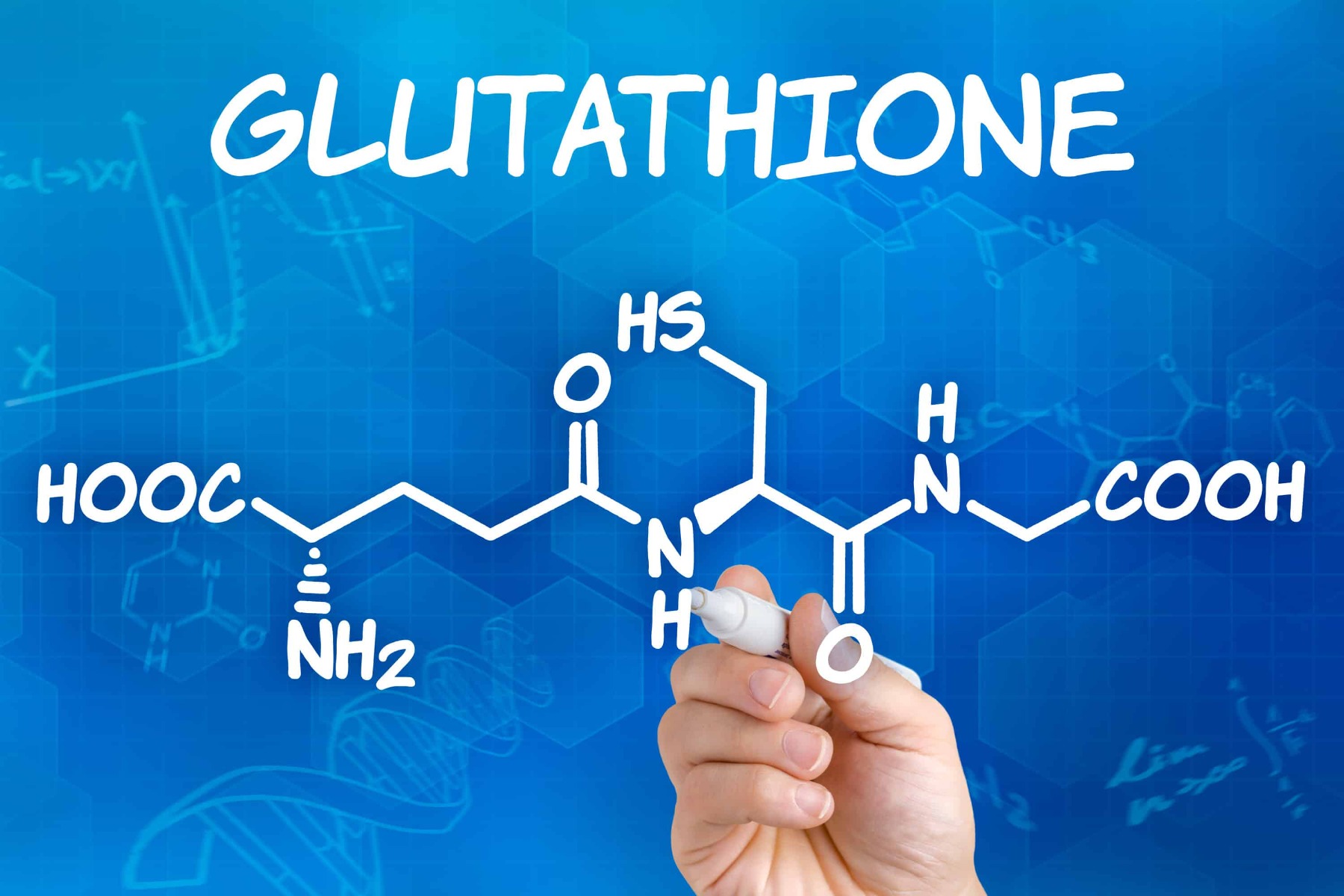
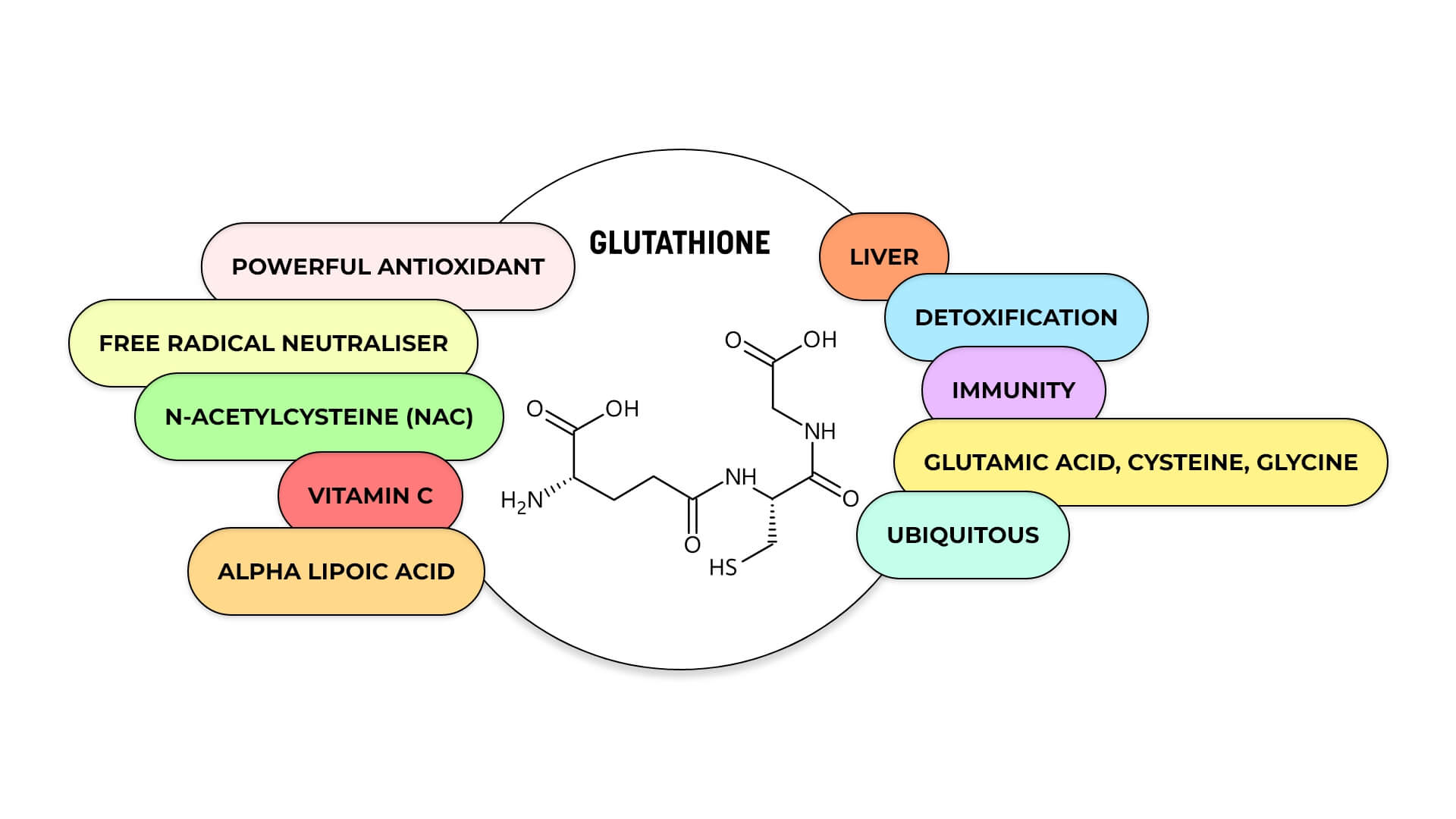
Glutathione is a tripeptide (small protein) made up of three amino acids: glutamic acid, cysteine, and glycine. It’s a naturally occurring molecule found in every cell in your body. The fact that it's ubiquitous kind of tells you its true value and importance with regards to your health. Its numerous roles in the body all branch from its function as an antioxidant. It’s perhaps the most ignored and unappreciated molecule in your body. Let’s change that, shall we?
- Glutathione is a powerful antioxidant. Compared to vitamin C and alpha-lipoic acid, glutathione is arguably as important and powerful as the two. An antioxidant is generally regarded as anything that neutralises oxidants or free radicals. Free radicals are unstable compounds or substances that can damage different cells in your body, causing you to get sick and hasten cellular ageing. The details of glutathione’s antioxidant activity are complex, but in essence, it donates its electrons easily to free radicals, thereby neutralising them. The marvel of glutathione is that it’s found everywhere, is water-soluble, and is naturally made inside your body. Its protein structure is specially made for the job it’s supposed to do.
Here is more good news. Glutathione produced inside your body's cells can be regenerated or recycled into its previous active form so it can scavenge for free radicals again. Neat, huh? Supplying your body with the necessary nutrients, especially cysteine, glutamic acid, and glycine, your body can recycle endogenous glutathione efficiently. This is the major advantage of naturally made glutathione (and other antioxidants) over the dietary and supplemental forms of glutathione (synthetic). With dietary forms, they quickly get consumed in one or two reactions. No recycling is possible. - Your liver is where the glutathione party is, dancing and conjugating with drugs and toxins to eliminate them. Glutathione levels in your body are abundant in every cell, but the highest concentrations are in your liver. The concentrations there are estimated to be seven to ten times higher than in any other place in the body. This is because glutathione plays an essential role in the detoxification processes accomplished by the liver.
 Glutathione can attach itself to toxins, environmental pollutants, drugs, and other substances. After attaching to these substances, glutathione identifies them as harmful and destined for elimination. By doing this, glutathione protects you from these substances' adverse and undesirable effects. As if this isn’t enough, glutathione transforms the harmful substance into a stable form that can be eliminated or metabolised. In addition, it enables toxins to be water-soluble so you can get rid of them through the urine.
- Glutathione is needed and participates in several key cellular reactions. Some of these reactions include the following:
- Glutathione helps remove formaldehyde (a well-known carcinogen) from your body. Formaldehyde is the product of the metabolism of methanol, xenobiotics, methionine, and sarcosine.
- Glutathione is needed in the transformation of prostaglandin to lesser active forms. Prostaglandin is a hormone-like compound responsible for pain and processes accomplished by the inflammation.
- Adequate glutathione levels boost the immune system. Sufficient concentrations of glutathione in your body increases white blood cell populations needed to combat infections. It also plays a role in activating T-cells when an antigen comes along. You’ll also be surprised that glutathione may also protect you from getting the flu.
- A healthy gastrointestinal system requires consistent renewal of the lining epithelial cells. It needs ample amounts of glutathione to accomplish this, which promotes the proliferation and regeneration of intestinal cells lining the digestive tract.
- Even glutathione has a hand in the development of sperm cells in the testes.
- Glutathione actively prevents cell damage resulting from oxidative stress. Oxidative stress is a disturbance in the balance between levels of antioxidants and free radicals. Furthermore, oxidative stress greatly contributes to the development of several diseases like cancer, Alzheimer’s disease, sickle cell anaemia, cystic fibrosis, infection, stroke, diabetes, heart attack, kwashiorkor, seizure, Parkinson’s disease, liver disease, AIDS, and even ageing.
OF COURSE, WE WANT MORE GLUTATHIONE IN OUR BODIES. HOW DO WE INCREASE ITS PRODUCTION THEN?
Glutathione is basically a protein, and as a protein, your digestive system’s ability to absorb it efficiently is less than fats and carbohydrates. Your intestines can’t absorb it directly. Instead, it has to be broken down into three amino acids. So, how can we get more of it? You increase your body’s ability to produce glutathione.
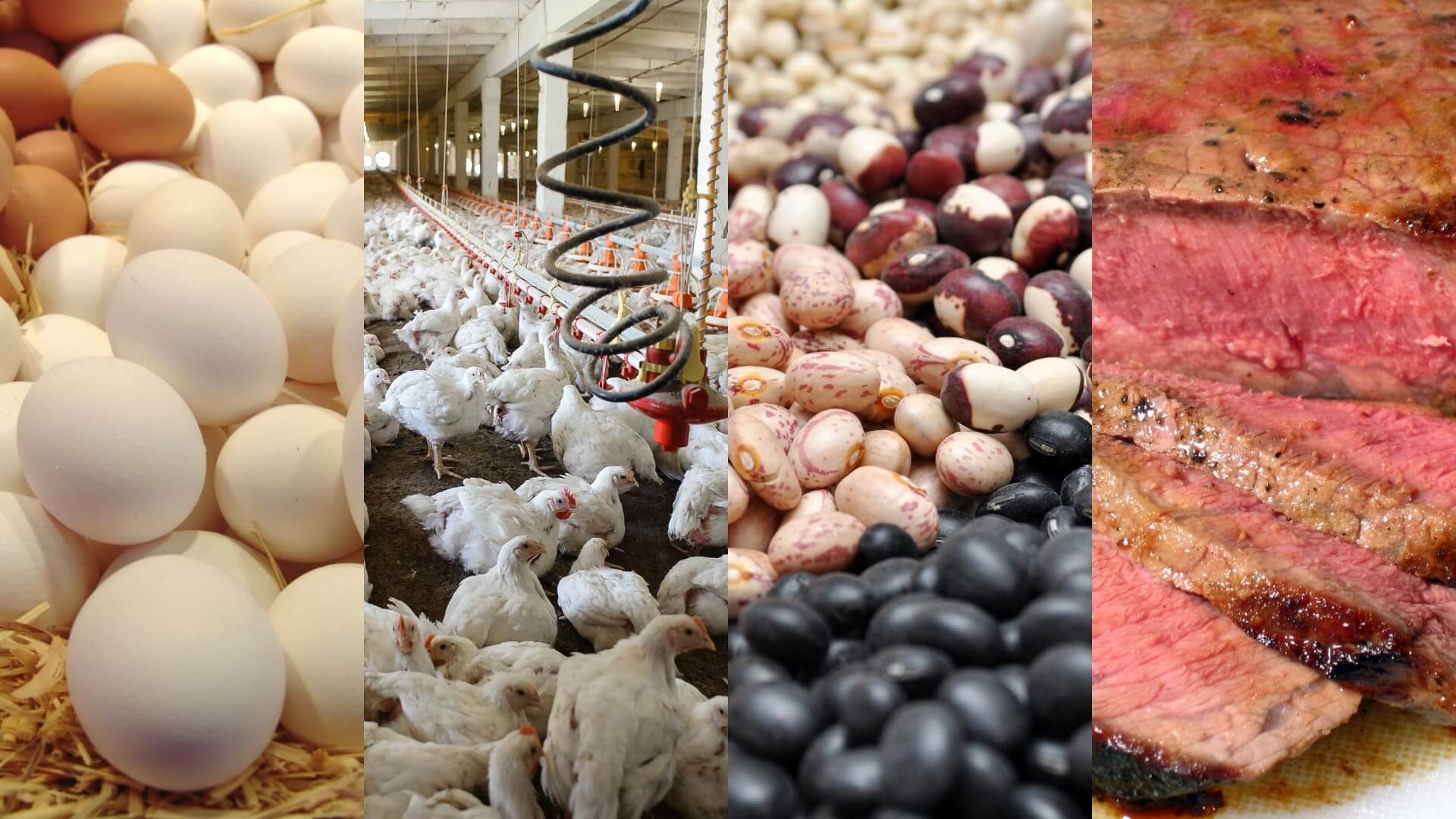 First, eat foods rich in cysteine. Cysteine has been demonstrated to trigger glutathione production among the three amino acids comprising glutathione. As long as it’s present, glutathione production can commence. So, eating foods rich in cysteine and its precursors will boost glutathione production. Supplementing with cysteine can also help. The absence or a deficiency in cysteine will slow down your body’s glutathione production. Whole grains, beef, egg, and poultry are very rich sources of cysteine. NAC or n-acetylcysteine is cysteine's precursor (synthetic) and is widely used to increase glutathione levels. Other studies note that methionine, another sulphur-containing amino acid, may also trigger glutathione production. Whey protein is also a good source of amino acids, especially cysteine and methionine.
- Second, turn on genes that make the enzymes tasked to produce glutathione. Glutathione production is low when your body is in a state of equilibrium. That means conditions are stable and normal, and you’re not stressed or sick. Your body doesn’t need glutathione, so it doesn’t make it. Hence levels are low. But when your cells sense toxins, stress, or other harmful substances, your body flips the switch on the genes responsible for making enzymes necessary to produce glutathione.
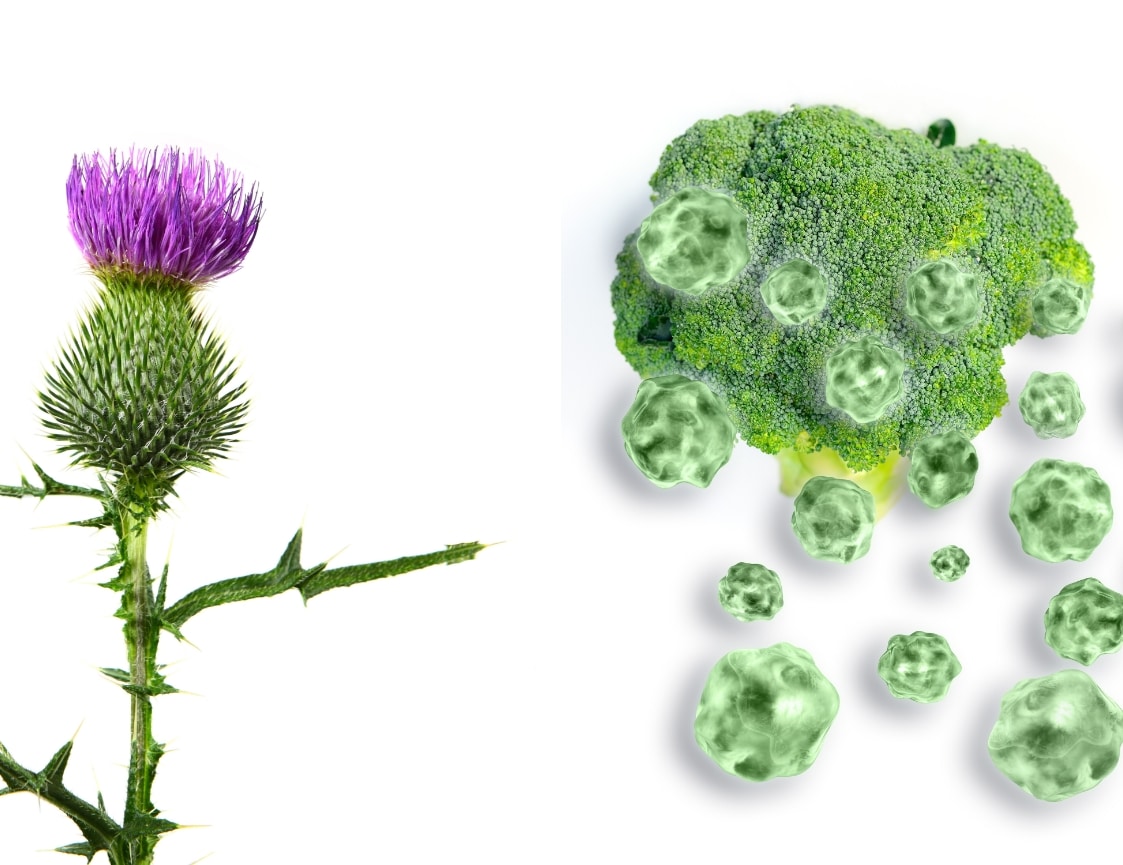
Research studies have pointed out that these genes may be switched on using plant nutrients or compounds like milk thistle, broccoli extract, and alpha-lipoic acid. Silymarin is an extract from the milk thistle plant (Silybum marianum), which contains flavonolignans. It’s recognised as a herbal remedy for liver diseases. Alpha-lipoic acid is another antioxidant found in every cell. Compounds like sulforaphane and polyphenols in broccoli extracts may also increase glutathione levels. All of them trigger the same process of glutathione production observed under stressful conditions or in the presence of toxins.
 Most of us don’t notice glutathione until we read about its importance or think it is a contributing cause to a chronic disease we may suffer from. We hope this article has opened your eyes to its true value and the simple ways to boost its production without burdening your everyday life.
Note: Consult your primary healthcare provider before taking any supplements, especially if you have a medical condition.
This form is protected by reCAPTCHA - the Google Privacy Policy and Terms of Service apply.