The shoulder and upper limbs comprise several muscles which can be organised into compartments (anatomical compartments) or functional groups. In this article, we’ll organise them into functional groups for ease of understanding.
Muscles that position and stabilise the shoulder girdle.
Muscles that move the arm.
Muscles that move the forearm.
Muscles that move the fingers, hands, and wrists.
The paragraphs and tables below provide a generalised description and comprehensive* lists of muscles of the shoulders and upper limbs. Most of the actions and functions presented in the tables here are simplified for easier comprehension. In addition, the word muscle is removed from the actual muscle names to shorten reading.
*Comprehensive but may not include all the skeletal muscles found in the shoulders and upper limbs regions.
Muscles that Position and Stabilise the Shoulder Girdle
The muscles that stabilise the shoulder girdle have already been described in a previous article. They consist of pectoralis minor, subclavius, serratus anterior, rhomboid major, rhomboid minor, and trapezius. All of them make the shoulder, or pectoral girdle become a steady base on which other muscles can mobilise the arm.
Muscles that Move the Arm
All of these muscles originate from the trunk and attach to the bone in your arm (called humerus), so they can move it.
MUSCLES THAT MOVE THE ARM
Muscle
Action/Function
Pectoralis major
Brings the elbows up and together like performing an uppercut punch (flexion, adduction, rotation of the arm). Adduction means moving towards/closer to your trunk. Abduction is the opposite of adduction.
Latissimus dorsi
Moves the elbows back like when you’re elbowing someone (adduction, rotation, extension).
Subscapularis
Helps the pectoralis major in bringing the elbows together (rotation).
Deltoid
Lifts arm to shoulder height (rotation, flexion, extension, abduction of the arm).
Supraspinatus
Makes you able to perform those fantastic tennis swings (abduction; rotates the elbow outward).
Infraspinatus
Complements the supraspinatus with your excellent tennis swings (extension, adduction; rotates the elbow outward).
Teres major and teres minor
Assists infraspinatus in rotating the elbow outwards (extension, adduction).
Coracobra chialis
What a cool name for a muscle, huh? This muscle allows you to put your hand across your chest (where your
heart is).
Note: You can probably observe that some of the muscles mentioned in the table above have already been included in a previous table/article. They’re included here primarily for their function of helping you move your arm.
Muscles that Move the Forearm
The forearm has four main types of action from the elbow joint: flexion, extension, pronation, and supination. It follows that there are four groups of muscles we should concern ourselves with. The muscles that move the forearm start from the trunk and arm so they can move the forearm. The muscles that come from the forearm move the fingers, hands, and wrists.
MUSCLES THAT MOVE THE FOREARM
Flex the Forearm
Muscle
Action/Function
Biceps brachii
Brachialis
Brachioradialis
Allow you to perform a bicep curl, or the famous biceps pose you love(?) doing.
The biceps brachii additionally allows your hand to point towards your body while flexing.
Extend the Forearm
Muscle
Action/Function
Triceps brachii
Anconeus
Extends forearm like when you’re throwing a punch.
Finger, hand, and wrist movements are accomplished by two different groups of muscles, namely the extrinsic and intrinsic muscles of the hand. Extrinsic (located outside of the hand) muscles originate from the forearm and move the hand. Intrinsic muscles of the hand originate within the hand and move it.
The intrinsic muscles of the hands are further subdivided into three groups: thenar muscles are located at the base of the thumb, hypothenar muscles are situated on the opposite side of the thenar muscles. Finally, the intermediate muscles are sandwiched between the two and are mid palmar. All the intrinsic muscles of the hand work together to produce fine motor movements like writing, drawing, playing musical instruments, removing a prickle etc.
MUSCLES THAT MOVE THE FINGERS, HANDS, AND WRISTS
Extrinsic Muscles of the Hand
Muscle
Action/Function
Flexor carpi radialis
Flexor carpi ulnaris
Palmaris longus
Bend the wrist and hand.
Flexor pollicis longus
Bends the tip of the thumb.
Flexor digitorum superficialis
Flexor digitorum profundus
Bends fingers to make a fist.
Extensor radialis longus
Extensor carpi radialis brevis
Extensor carpi ulnaris
Extend the wrist.
Extensor digiti minimi
Extends little finger
Extensor indicis
Extends little finger and wrist.
Extensor digitorum
Extends wrist and opens fingers.
Abductor pollicis longus
Extends wrist and thumb.
Extensor pollicis brevis
Extensor pollicis longus
Extends thumb.
Intrinsic Muscles of the Hand
Muscles
Action/Function
Thenar Muscles
Abductor pollicis brevis
Opponens pollicis
Flexor pollicis brevis
Adductor pollicis
They make up the plump base of your thumb.
They all act on your thumb to move it in several directions.
Intermediate Muscles
Lumbrical
Palmar interossei
Dorsal interossei
They all act on the fingers and move them.
Hypothenar Muscles
Abductor digiti minimi
Flexor digiti minimi brevis
Opponens digit minimi
Now your little finger gets some love. All these muscles act and move your little finger.
Clinical Significance of Some Selected Muscles of the Shoulder and Upper Limbs
The numerous and intricate muscles that make up the shoulders and upper limbs also pose problems of their own whenever they get injured or sick. Below are some examples.
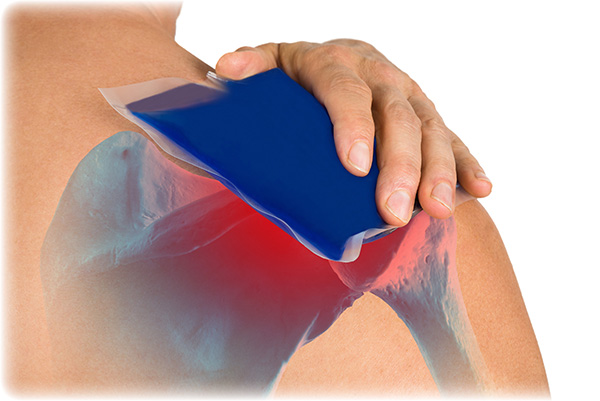
Rotator cuff injury. The predominant muscle group that supports the shoulder joint is called the rotator cuff. Four muscles comprise this group: subscapularis, teres minor, infraspinatus, and supraspinatus (see table above). Rotator cuff injuries can range from mild (simple inflammation) to severe (tendon or muscle tear). Carpenters and painters are most commonly affected by this type of injury after years of performing repeated overhead motions. Athletes such as baseball pitchers are also included in the list of people who may experience chronic rotator cuff injury. Its most frequent symptom is dull pain located deep within the shoulder. You may also have difficulty combing your hair or reaching your upper back.
Biceps tendinitis. Skeletal muscles are attached to bones through tendons. Sometimes, the upper biceps tendon (the one attached to your shoulder, not your forearm) experiences irritation or inflammation. You will experience this as pain in front of the shoulder. This is usually relieved by medication and rest. In the majority of cases, the most common cause is a lifetime of your normal activities. Conditions that cause rotator cuff injury may also cause biceps tendinitis.
Triceps tendonitis is an inflammation of the triceps tendon that attaches to the elbow joint. It’s usually caused by chronic use or overuse during muscle movements that involve repeated extending of the elbow. Doing bench presses, pitching in baseball, and hammering are examples of these movements. Its main symptom is pain at the back of your elbow. It’s sometimes accompanied by swelling and a snapping sensation near the elbow. Icing your elbow, pain medications, and adequate rest will more often than not address triceps tendonitis.
Note: If symptoms persist in any of the conditions or injuries above, consult your doctor.
Maintenance and Recovery of Muscles of the Shoulder and Upper Limbs
Considering the diverse groups of muscles in your shoulders and upper limbs, their maintenance and recovery are pretty similar and straightforward. They consist of the following:
Rest. You should rest and protect the sore or injured area. Take a break or completely stop any movement or activity that may be causing the pain.
Ice. Use an ice pack immediately to lessen pain and swelling. For the first two days following your injury, continue applying an ice pack at least three times a day or as often as you can. After two days, switch to heat application or warm compresses. Don’t apply heat or ice directly on your skin. Instead, use a towel or cloth.
Compression. Wrapping the sore or injured area with an elastic bandage will aid in decreasing the swelling. Remember not to wrap it too tight as this might lead to swelling below the injured part. If you feel added pain, more swelling, tingling sensation, or numbness, you have wrapped it too tight. Don’t wrap it for more than two days. Allow that limb to breathe and remove the bandage once in a while.
Elevation. Try elevating the injured part or area whenever you’re lying or sitting down. This should be done while you’re applying heat or ice. Try to keep it at the same level as your heart or even higher.
To remember the practical tips above, remember RICE – rest, ice, compression, elevation. NSAIDs (nonsteroidal anti-inflammatory drugs) may also decrease the swelling and lessen the pain. However, if the pain, swelling, and inflammation persist, it’s time to consult your doctor. The doctor will decide what to do next and they may also incorporate the help of other specialists like an orthopaedic surgeon or a physical therapist.
To better understand and remember the muscles of the shoulder girdle and upper limbs, it’s best to classify them into functional groups: muscles that stabilise the shoulder girdle, muscles that move the arm, muscles that move the forearm, and muscles that move the wrist, hand, and fingers. The maintenance and recovery of each functional group follow a similar pattern with each other.
Check out these articles for the other skeletal muscles in your body:










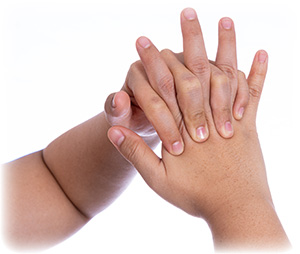 The intrinsic muscles of the hands are further subdivided into three groups: thenar muscles are located at the base of the thumb, hypothenar muscles are situated on the opposite side of the thenar muscles. Finally, the intermediate muscles are sandwiched between the two and are mid palmar. All the intrinsic muscles of the hand work together to produce fine motor movements like writing, drawing, playing musical instruments, removing a prickle etc.


This form is protected by reCAPTCHA - the Google Privacy Policy and Terms of Service apply.