Before we make a head start on this article, you may want to check out our article on common diseases of the ear in adults and children. It also includes some pointers for the treatment of middle ear infections in children.Click here.
This follow-up article will be more inclusive and thought-provoking (we hope) with regards to treatment approaches for acute and chronic ear infections among children. The information provided here is only suited for children six months and older.
Introduction
Otitis media is the medical term for ear infection. It’s one of the most common childhood infections. The precise number of otitis media cases per age group or geographic location is difficult to determine because of a lack of reporting. According to an article published in the Australian Journal of Otolaryngology (March 2020), the prevalence of otitis media among Australian children aged 5 to 7 years old is 22.5%. It affects around 80% of children before they reach the age of 4 years. Otitis media poses a heavier concern for Australian indigenous children because they are five times more likely to develop severe otitis media compared to non-indigenous children. The prevalence of middle ear infection among Australian indigenous children can reach as high as 40%.
The incidence of acute otitis media among children in New Zealand under five years of age is 273 per 1,000 children (27.3%). There was no statistically significant difference between ethnic groups. You might be surprised to know that approximately 50% of those cases were treated with antibiotics.
Data from around the globe indicate that otitis media among children is slightly more common among boys than girls. The highest number of cases are recorded between 6 and 12 months of life. Recurrence of acute otitis media affects 10-20% of children before the age of one year.
Risk factors for otitis media include the following:
A family history of recurrent acute otitis media in siblings or parents
Use of a pacifier (dummy). Pacifier use will increase the likelihood of developing a middle ear infection in children age one year old and above by as much as 24%.
Bacteria followed by viruses cause the majority of middle ear infections. A coinfection can also happen, sort of like a collaboration between the two. The most common bacteria causing otitis media are Streptococcus pneumoniae, Haemophilus influenzae and Moraxella catarrhalis. The most common viruses responsible for middle ear infections are coronaviruses, respiratory syncytial virus, influenza viruses, picornaviruses, and adenoviruses.
The Prevailing Medical Approach to Treating Ear Infections Among Children Aged 6 Months and Older
Acute ear infections (acute otitis media) are quite common in young children. MOST infections among children six months and older will clear up on their own. If your child is six months or older, you can patiently wait at home for up to two days (48 hours) to observe if the infection resolves on its own. During this time, you should focus on ear pain. You can treat the pain at home with pain relievers (like paracetamol, ibuprofen) or natural treatment options (see below). Non-prescription ear drops with an anaesthetic (local) may also be used to relieve pain.Please remember not to give antibiotics to your child yet. They don’t help with the pain and can have some worrisome side effects like diarrhoea, vomiting, or an allergic reaction.
Most doctors currently prescribe antibiotics for acute otitis media when the symptoms of your child last longer than two days or if the condition of your child doesn’t improve. Other factors that doctors usually consider when giving antibiotics include the following:
Your child is less than two years old and has ear infection in both ears.
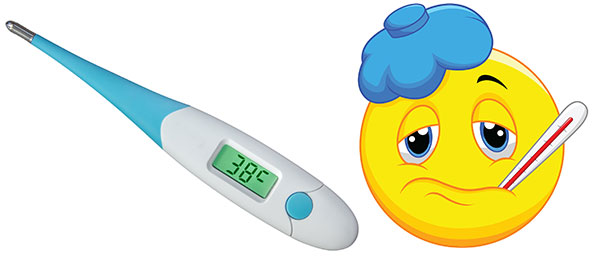
Your child is less than two years old and has a fever or severe ear pain. Fever is defined as having a body temperature of higher than 380C
If your child appears dehydrated.
If your child has cochlear implants.
Additional health problems like recurring ear infections, chronic ear infections, or has a cleft palate.
Under the circumstances mentioned above, your doctor will usually prescribe antibiotics. Also, if your child has any of the abovementioned factors, don’t wait for 48 hours. Take your child to the doctor. If you give your child antibiotics when they’re not required, there’s a possibility that you can make it difficult for these medications to work the next time your child really needs them. This might happen because bacteria can mount up resistance to the antibiotic. Observation is key to knowing when to bring your child to the doctor and when to give antibiotics.
Otitis media with effusion (also called glue ear), is the presence of fluid accumulation in the middle ear with no signs and symptoms of infection. Your child doesn’t usually complain of any symptoms. Most cases of this type of infection happen after your child recovers from acute otitis media. It more often than not resolves spontaneously.
Chronic otitis media with effusion is an infection of the middle ear that illustrates a few long-term problems like a hole in the eardrum (eardrum perforation) that doesn’t heal or a middle ear infection that doesn’t improve over a long period. The term is usually reserved for a middle ear infection with persistent effusion (fluid accumulation) for at least three months. The fluid remains within the area of the middle ear for a prolonged period, or repeatedly comes back, even though there are no signs of infection. The most common cause of chronic otitis media is recurrent acute otitis media.
The mainstay of treatment for chronic otitis media is a topical antibiotic/steroid application and aural toileting. Chronic otitis media may lead to perforation of the eardrum. Luckily, most of these eardrum perforations will heal on their own. Myringoplasty and tympanoplasty are surgical treatments available for a perforated eardrum. A tympanostomy tube (also called a grommet) may be used to prevent middle ear infections among children who have recurrent acute otitis media or chronic otitis media.
Can antibiotic use in recurrent ear infections (repeated episodes of acute otitis media) among children bring more harm than good?
A research study among Dutch children aged between 6 and 24 months found that recurrent acute otitis media happened more often in children treated with an antibiotic compared to those who weren’t given an antibiotic. Results of the study showed acute otitis media recurred in 47 out of 75 children (63%) given an antibiotic (amoxicillin) compared to 37 out of 86 (43%) from the group not given an antibiotic. Both groups were followed for up to 3.5 years. This study gave some insight concerning the judicious use of antibiotics among children with acute otitis media. Unfortunately, more studies are needed to support the findings of this study. It's already a fact that antibiotics, when given at the right time and situation, can shorten the course of acute otitis media.
As a doctor, I would recommend watchful waiting. Prescribing an antibiotic for acute otitis media only if your child’s symptoms don’t improve or resolve after 48 hours. Up to 20% of children with acute otitis media will require antibiotics. The benefits of giving the proper antibiotic outweigh the development of complications and the possible risk for recurrent infections when it comes to acute middle ear infections. We need more studies to support the thinking that recurrent acute otitis media happens more often among children treated with an antibiotic. The decision on whether to prescribe an antibiotic or not will depend on the condition of your child.
The improper use or overuse of any antibiotic can lead to antibiotic resistance in any medical case over a long period. Antibiotics are effective in treating ear infections caused by bacteria. Don’t expect it to work if viruses cause the infection. Fortunately, you don’t have to worry too much because up to 80% of children six months and older with ear infections recover on their own while 20% will not.
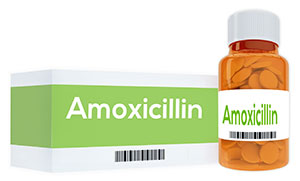
The drug of choice for the treatment of acute otitis media in children is still amoxicillin (penicillin-type antibiotic). The choice of non penicillin-based antibiotics (like cephalosporin and macrolides) and the prescription of multiple antibiotics at the same time (yes, it happens) can lead to antibiotic-resistant infections. The treatment failure rate for the major groups of antibiotics used in the treatment of acute otitis media is around 10% for each major group. Rational antibiotic use is a must to prevent an increase in treatment failures across all kinds of antibiotics.
Lastly, the treatment of repeated episodes of acute otitis media can vary between countries. In the US, the predominant mode of treatment is high dose amoxicillin as opposed to the treatment applied in the Netherlands, which is watchful waiting (sometimes more than 48 hours). Australia and New Zealand are sort of in-between these two sides.
Natural Therapies for Middle Ear Infection (symptomatic relief)
Although limited, reliable natural options are available for middle ear infections. It’s noteworthy to state that these treatments aim to alleviate or lessen the ear pain secondary to inflammation and accumulation of fluids in the middle ear. They don’t treat the cause of otitis media. They work great in easing discomfort when your doctor has recommended watchful waiting for your child’s ear infection. Ask a naturopath about these natural therapies. And for children who suffer frequent ear infections, it is helpful to assess their diet and include methods to support their immune defences with the aim of preventing recurrence.
A warm (not hot) and moist cloth or water bottle placed over the affected ear can help soothe the ear pain. Similarly, application of an onion poultice or compress over the affected ear for five minutes can also relieve the pain.
Phytotherapy in the form of otic (ear) solutions that contain assorted extracts like mullein flower, garlic, yarrow, calendula flowers, and vitamin E may be utilised in the treatment of ear infections. According to an article published in Paediatrics, the official journal of the American Academy of Paediatrics, these extracts, when combined, were demonstrated to be as effective as amoxicillin in treating bacterial causes of acute otitis media.
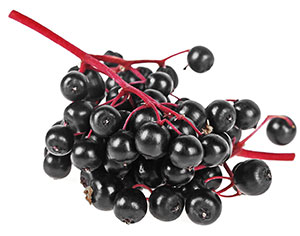
Elderberry has been used traditionally in Europe for many centuries for supporting immune health. It may have antiviral properties.
Probiotics. Both oral and topical probiotics may reduce your child’s risk of recurrent acute otitis media. Unfortunately, data obtained from different studies produce conflicting results. More studies are needed to determine their efficacy.
Viburcol® suppositories may be given for irritable and restless children with ear pain. It’s a homeopathic medicine that contains chamomile and other plant ingredients. Chamomile is known for its anti-inflammatory properties and sedative effect (sleep aid) because of its apigenin (flavonoid) content.
Echinacea may be used for the treatment of upper respiratory tract infections (colds, sore throat) which is a common cause of middle ear infections among young children. Herbal preparations of echinacea, propolis, and Vitamin C were shown to prevent the recurrence of upper respiratory tract infections according to a study published in the Archives of Paediatrics and Adolescent Medicine journal.
Zinc obtained from supplementation or foods high in zinc content (legumes, whole grains) may have a valuable role in preventing otitis media because of its significance in the optimal functioning and maturation of your child’s immune system. Another nutrient vital to your child’s immunity and acts as an immunomodulator is Vitamin D. Your child’s vitamin D levels can influence the severity and frequency of upper respiratory tract infections and acute otitis media.
Xylitol. The protective characteristics of a xylitol solution include a decrease in biofilm production, inhibition of bacterial growth, and prevention of certain bacteria from attaching to the lining of your upper respiratory tract. These characteristics contribute to preventing the development of acute otitis media.
Chiropractic therapy is perceived to prevent recurrence of otitis media through cervical (neck) spinal manipulation therapy. This relaxes parts of the ear and allows fluid drainage during acute otitis media.
Osteopathic treatments like Galbreath and Muncie manoeuvres aim to allow faster drainage of middle ear fluid accumulations during infection.
In summary, it’s essential to note that most cases of acute otitis media in children will resolve spontaneously (around 80%). It’s arguably an unavoidable sickness of childhood. It may also be regarded as part of the natural process of how a child’s immune system matures. Unfortunately, it may need antibiotic treatment in 20% of cases. Natural therapies may provide some relief while you observe your child’s condition. If your child doesn’t get better after 48 hours, take your child to the doctor.
NOTE: The information presented in this article is for educational purposes only and is in no way intended to replace the advice given to you by your trusted doctor or primary health care provider. Ask a qualified naturopath and/or herbalist about the natural therapies presented in this article.
We have more articles focusing on the ear you might want to take a look at:








 Please remember not to give antibiotics to your child yet. They don’t help with the pain and can have some worrisome side effects like diarrhoea, vomiting, or an allergic reaction.


 Elderberry has been used traditionally in Europe for many centuries for supporting immune health. It may have antiviral properties.
 Xylitol. The protective characteristics of a xylitol solution include a decrease in biofilm production, inhibition of bacterial growth, and prevention of certain bacteria from attaching to the lining of your upper respiratory tract. These characteristics contribute to preventing the development of acute otitis media.






This form is protected by reCAPTCHA - the Google Privacy Policy and Terms of Service apply.